
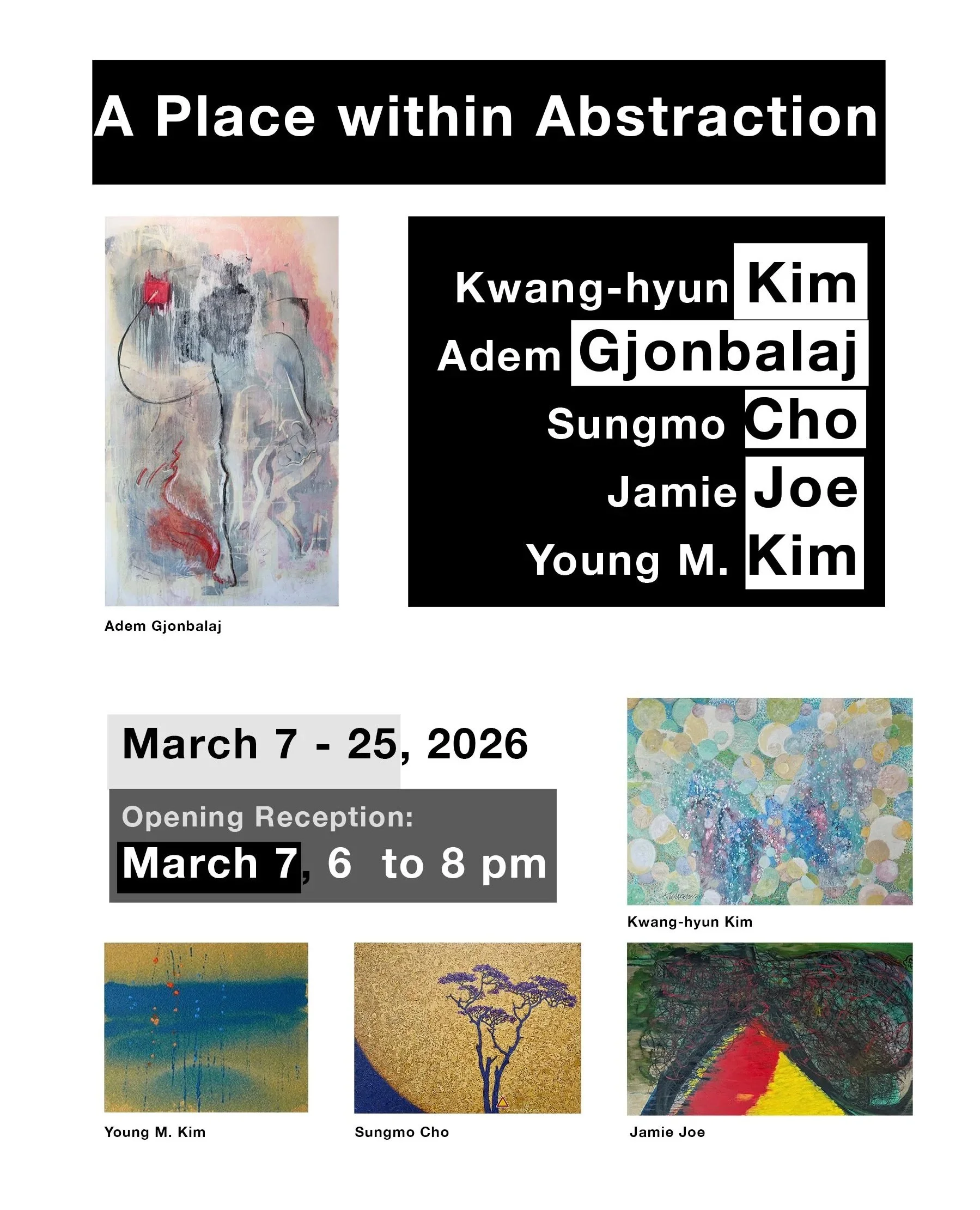
Group Exhibition
Place within Abstraction
March 7 – 25, 2026
Riverside Gallery presents a group exhibitions, Place within Abstraction, featuring paintings of Kwang-hyun Kim, Adem Gjonbalaj, Sungmo Cho, Jamie Joe, and Young M. Kim. The exhibitions run from March 7 to 25, 2026 with an opening reception on March 7 from 6 to 8 pm.
Place within Abstraction puts together a dialogue of artists who engage with abstraction at various levels of visual language, including minimalist reduction, maximalist addition, lyrical abstraction and others in between. In abstract or nonobjective art, can a sense of a place be found, whether through the exploration of light and shadow, or the eliciting of memories and sensations, or pure architectural geometry and presence of colors? If painting is a riddle or a puzzle to be solved with an open-ended solution set of answers (depending on the viewer’s perspective and lived identity), what can it offer us at the end of the visual experience? Can we find a special place in these works that may return us to our origin in childhood or even prior to birth with a spiritual implications? These places do not necessarily signify a time as one might assume of a place as being marked by a spacetime continuum. This is because certain places are timeless and eternal, not formed but to be found within our instinctive and aesthetic imaginative framework. In such instances, we find an archetype of a place, like the iconic castles where knights or magicians gather in a fictionalized setting or the alleyway found within a distant memory, where sunlight propagates warmth that gives us strength. Rather than taking on a literal or purely illustrational quality, the works here mostly offer abstract traces of a place within an semi-abstracted, expressionistic, symbolic, or nonobjective language, thereby activating our powers in terms of memory, imagination, fantasy, desire, spiritual belonging, and belief.
About the Artists:
Kim Kwang-hyun is a first-generation leader of the development of Korea’s industrial design. An alumnus of the Seoul National University (1962) and Pratt Institute (1974), he served as the chariman of Korean Visual Information Design Association and Korea Design Federation of Organizations. Kim has taught as a university professor for over 40 years and contributed to both Korean companies and national development in his efforts to promote socially effective industrial design. In his works, Kim makes his paintings solely through the movements of the brush and hand, with an emphasis on mindful peace, tranquility, and emotional sensitvity. His background in design influences the multidisciplinary visual and expressive qualities of his works. They constitute traces of his life lived.
Adem Gjonbalaj (BFA, The Cooper Union) is a Brooklyn-based artist exploring the intersection of media culture and bodily experience. His work is characterized by a hybrid process, utilizing digital design to compose surreal environments that are then meticulously translated into paint. Influenced by the "choreography" of pop culture and a lifelong sketchbook practice, Gjonbalaj’s paintings serve as an emotional history—transforming the noise of a media-saturated world into a singular, felt presence.
In Sungmo Cho’s works, the recurring theme of ‘trees’ serves as a central motif that connects nature and the essence of human experience. Through the imagery of trees, the artist bridges the divide between nature and civilization, creating a unique artistic language that merges traditional aesthetics with modern thought. His trees are both tranquil and powerful, reminding us of the interdependence between nature and humanity, conveying profound messages to the viewer. Specifically, the upright trees serve as symbols of nature while also metaphorically representing his experiences of immigration and identity. The roots of these trees symbolize the identity of an immigrant, while the branches suggest future growth and expansion, encapsulating his immigrant journey and life path. The tree imagery embodies the artist’s personal journey from Seoul to Pratt Institute in New York, via his studio in Long Island City, and ultimately to Sarang Mountain, signifying a progression toward a new life. The simultaneous presence of trees and road signs (most visible in his ‘Along the LOVE Road’ series) in his works reveals an artistic insight into seeking harmony and balance at the intersection between civilization and nature.
Young M. Kim is a Korean-American visual artist, a 1.5 generation immigrant, and a graduate of Pratt Institute, where she studied painting in the mid-1980s. Her work is intertwined with endless questions about a life of chaos and uncertainty and remain as an intermittent record of the numerous questions that she could not let go of even in a life that seemed ordinary at first glance, including marriage, chidbirth, and miscellaneous tasks in making a living. Minimalism such as Rothko, Barnett Newman, and Stella are the key inspirations for Kim’s work. Although the sophistication of Minimalism has always fascinated thea rtist, the classics have always tugged at her heartsrings, similar to a longong for a hometown. Millet’s quietneess, Matisse’s vibrant colors, Monet’s light, and Pollocks’ action have served as a source of comfort for the artist. The paintings begin with the artist transferring the image or feeling obtained at the time onto the canvas, including her quiet desire to comfort someone, including the artist herself. Kim’s painting utilizes sandpaper onto which paint colors are spread to achieve the final result.
Jamie Joe is a Korean American artist who spent her formative years in Kuwait, studied in Boston, and now lives and works in New York City. She received her B.F.A. from the School of Visual Arts, mentored by the late Frank Roth, and currently hones her craft at the Art Students League of New York under Larry Poons and Liv Mette Larsen. In 2024, she was awarded the Red Dot in a group exhibition and exhibited at Gallery 128 in New York City. Joe also brings a rich background of over 25 years as an architect and licensed interior designer, which informs her keen sense of structure, texture, and emotional space in her artwork.
Press:
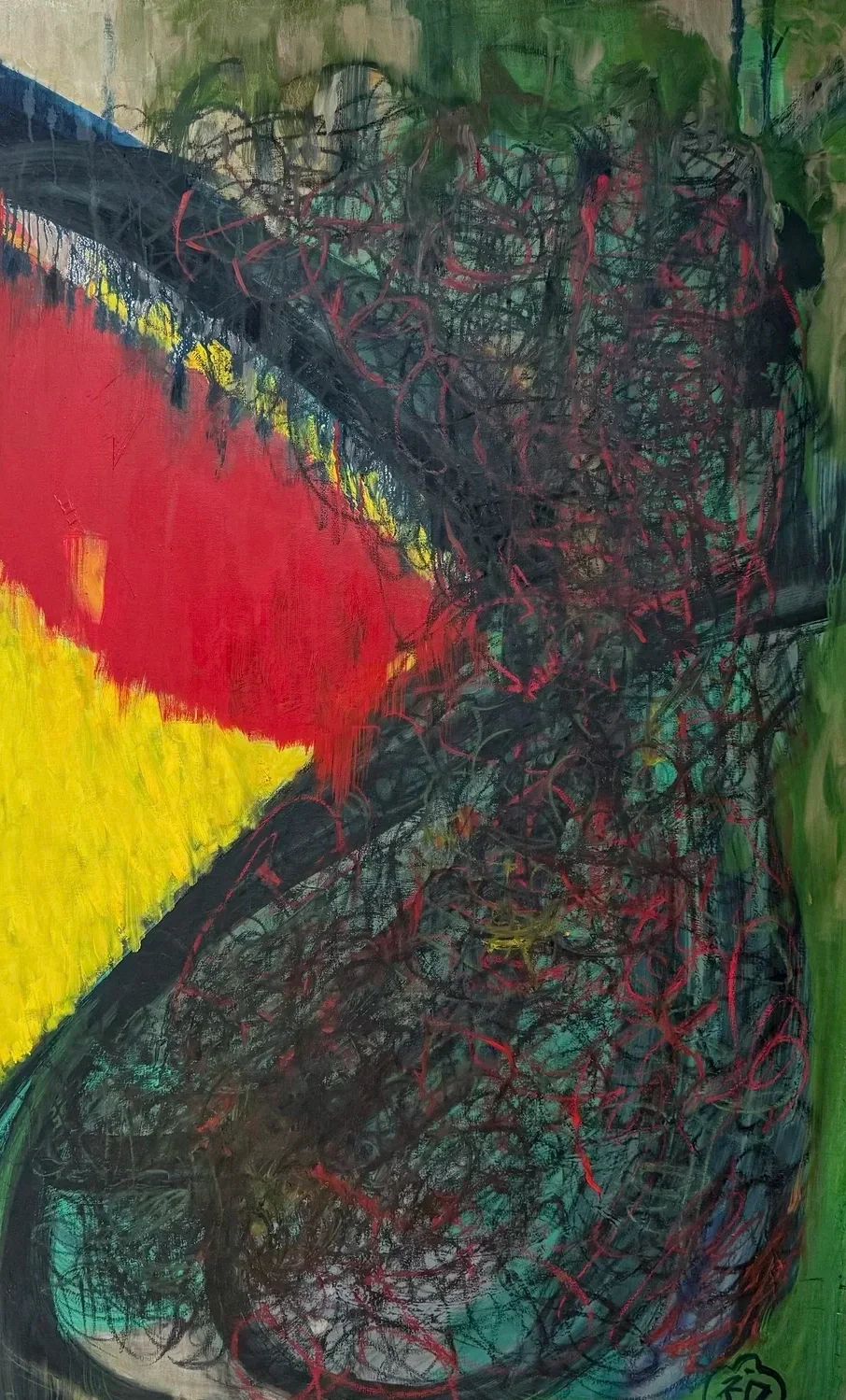
Jamie Joe - "Storm" (2020), oil and oil sticks on canvas, 45 x 72 inches
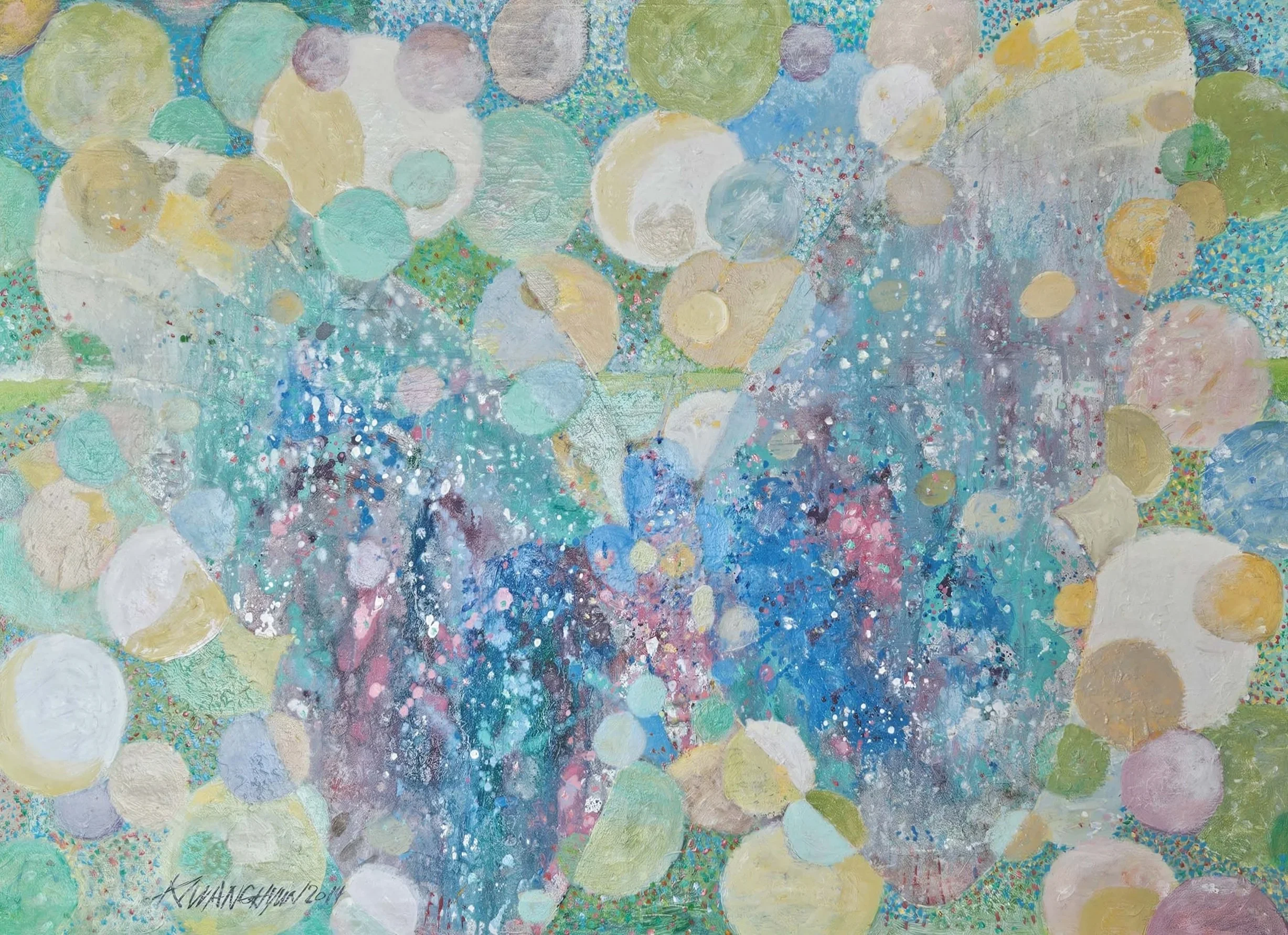
Kim Kwang-hyun
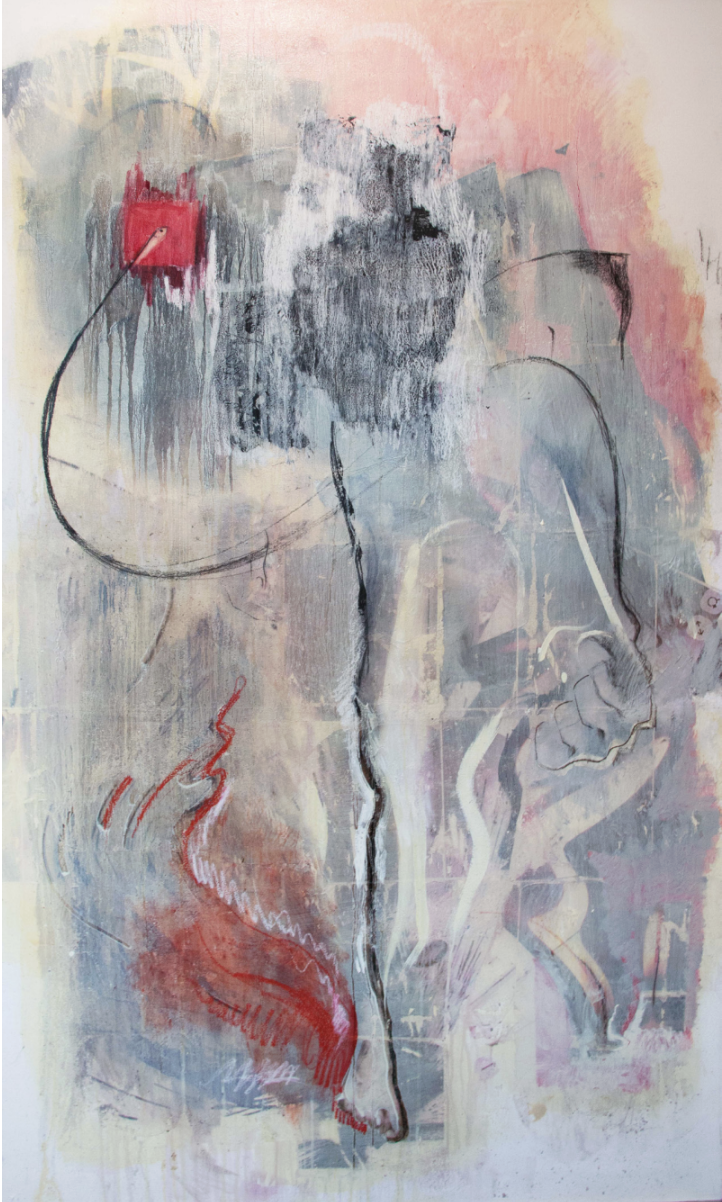
Adem Gjonbalaj
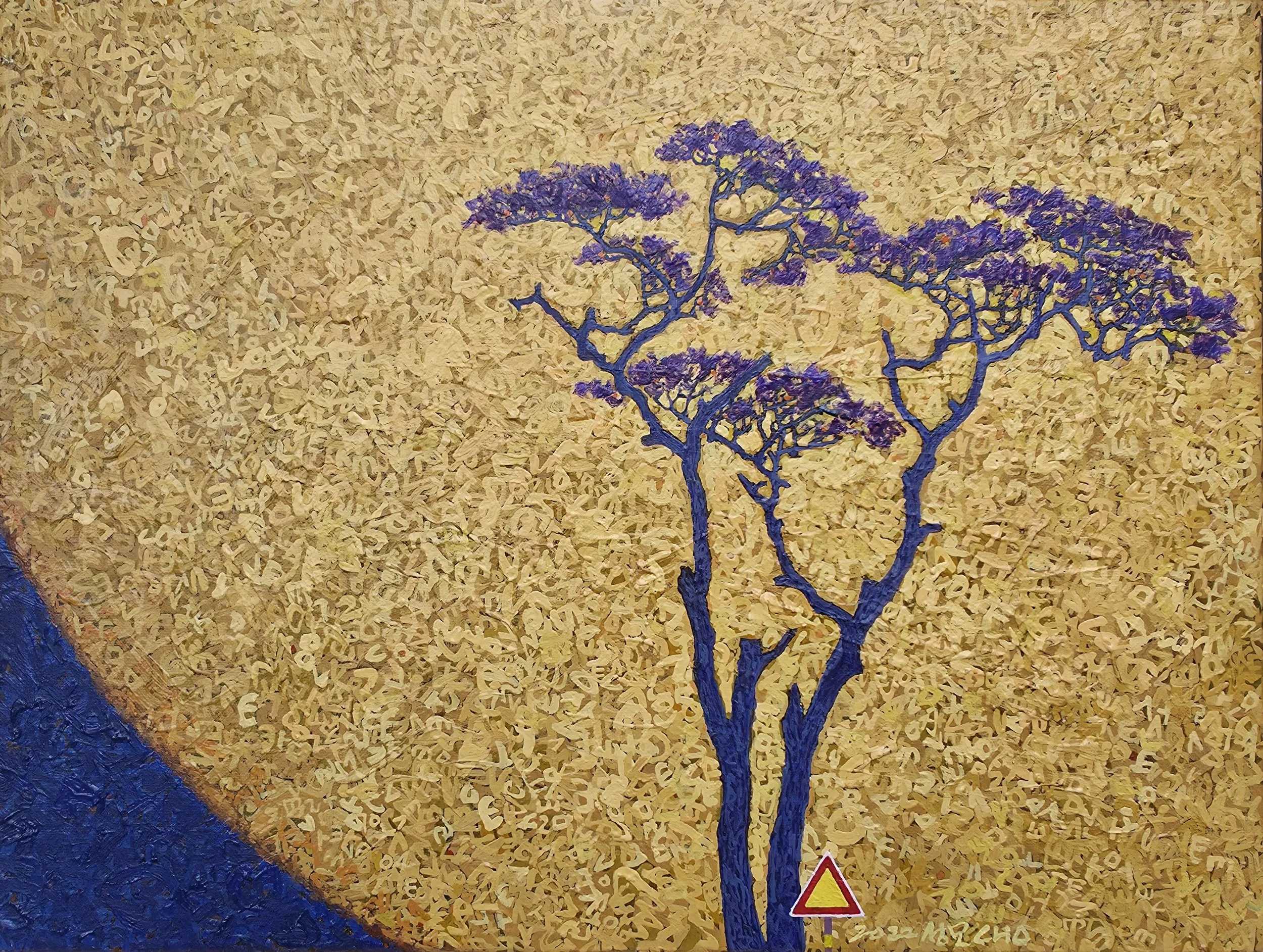
Sungmo Cho - "Along the LOVE Road" (2022), oil on canvas, 16 x 12 inches
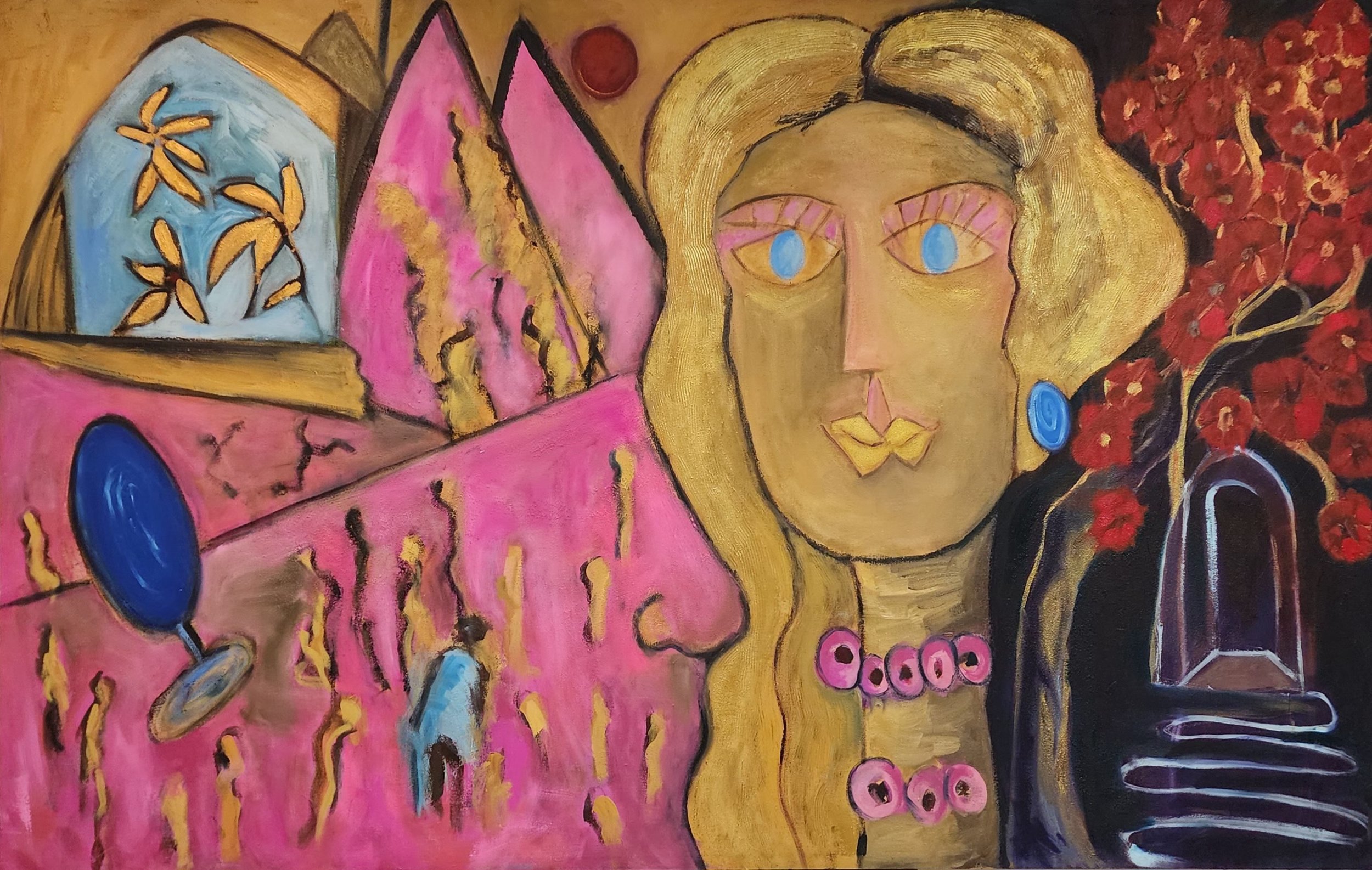
Jamie Joe - "Necklace"
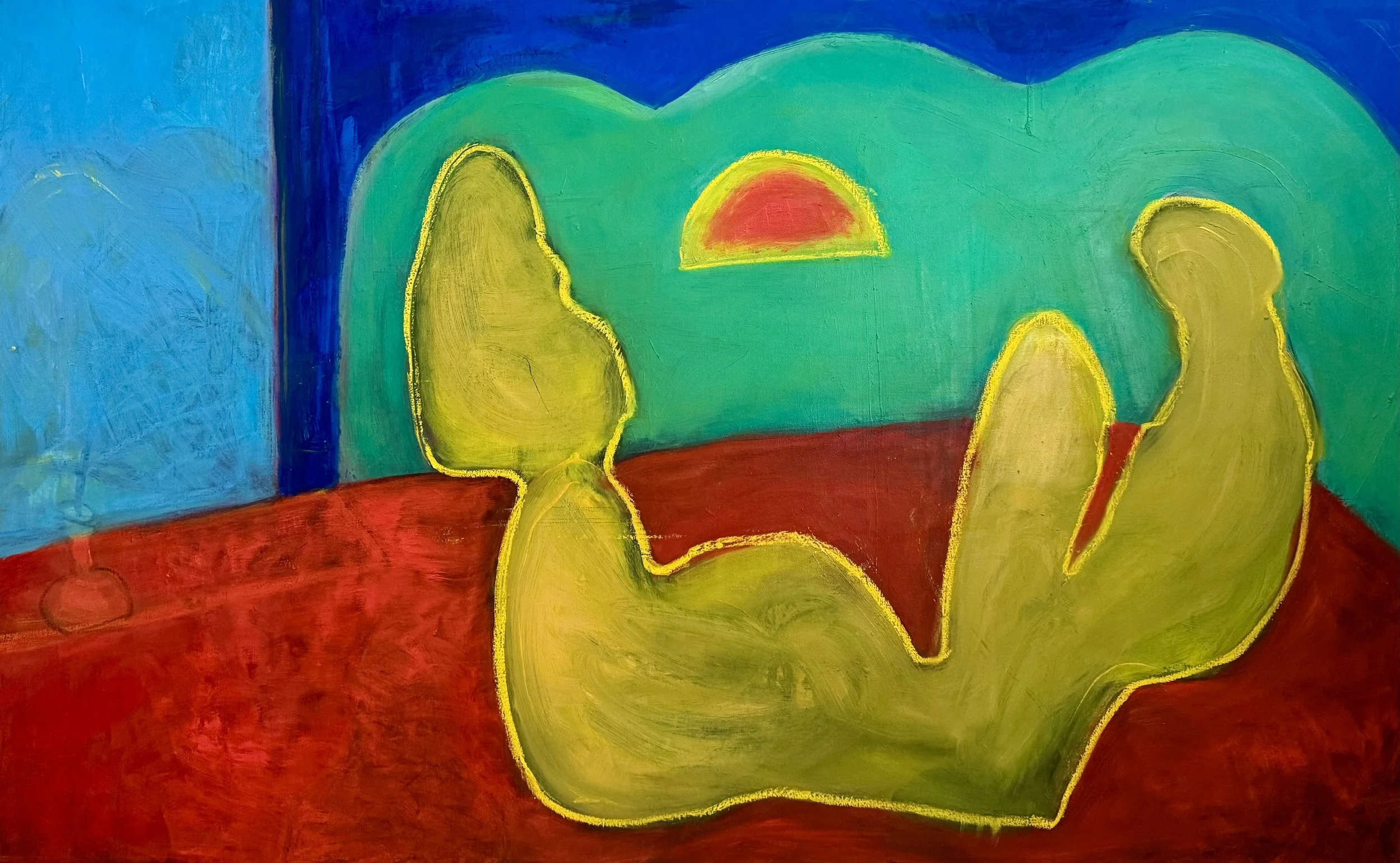
Jamie Joe - "Waiting"
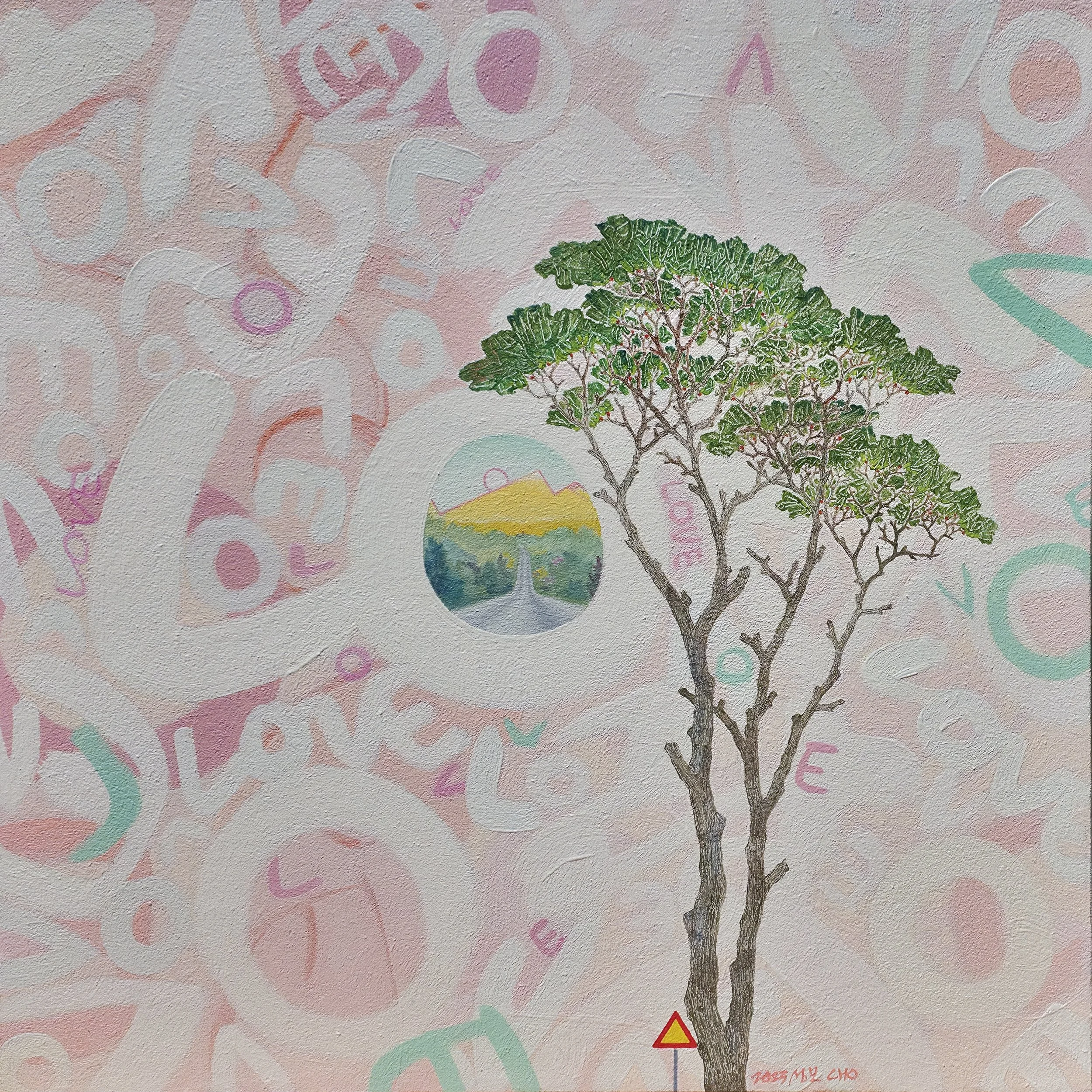
Sungmo Cho - "Along the LOVE Road" (2023), oil on canvas, 24 x 24 inches
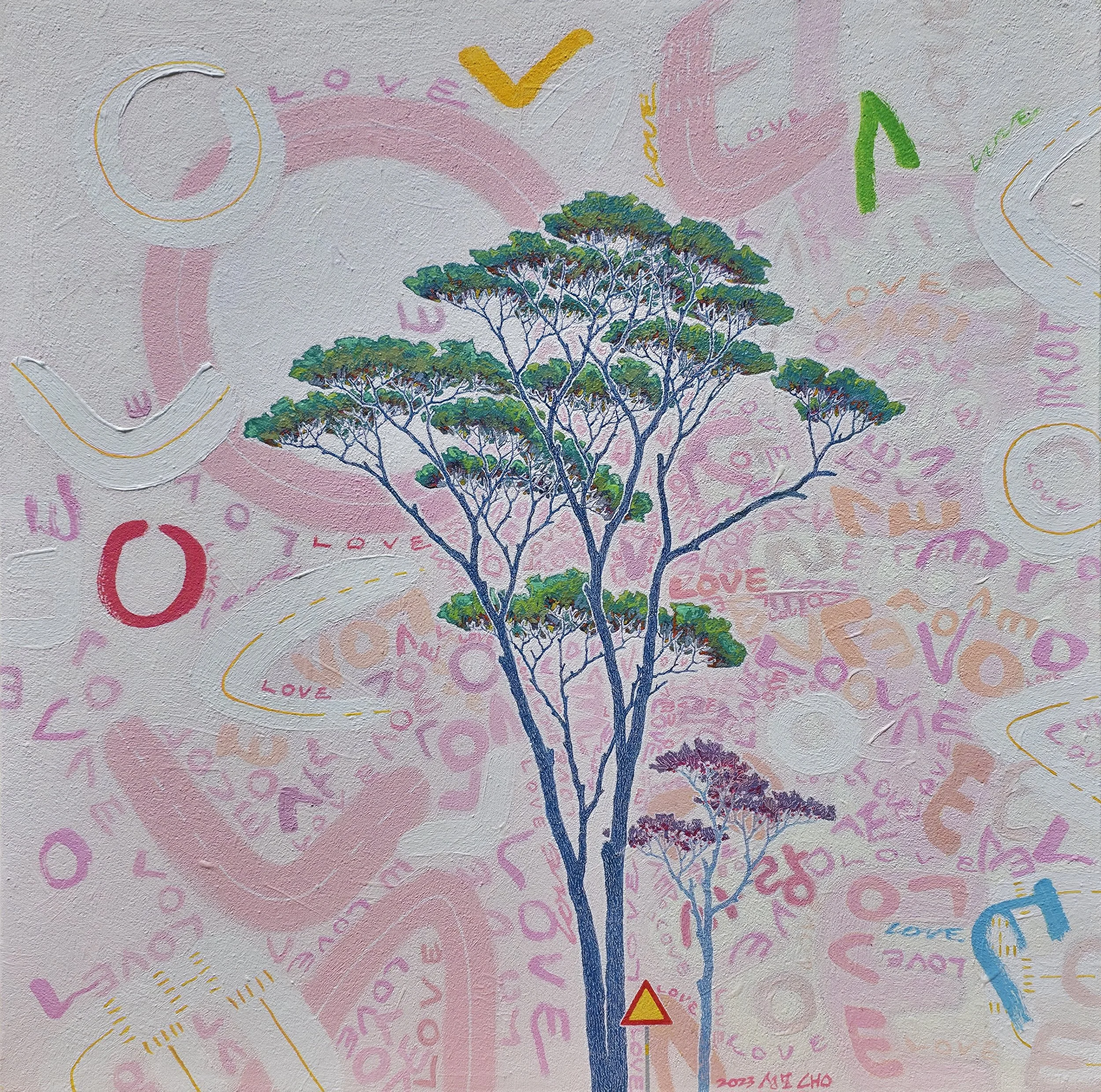
Sungmo Cho - "Along the LOVE Road" (2023), oil on canvas, 24 x 24 inches
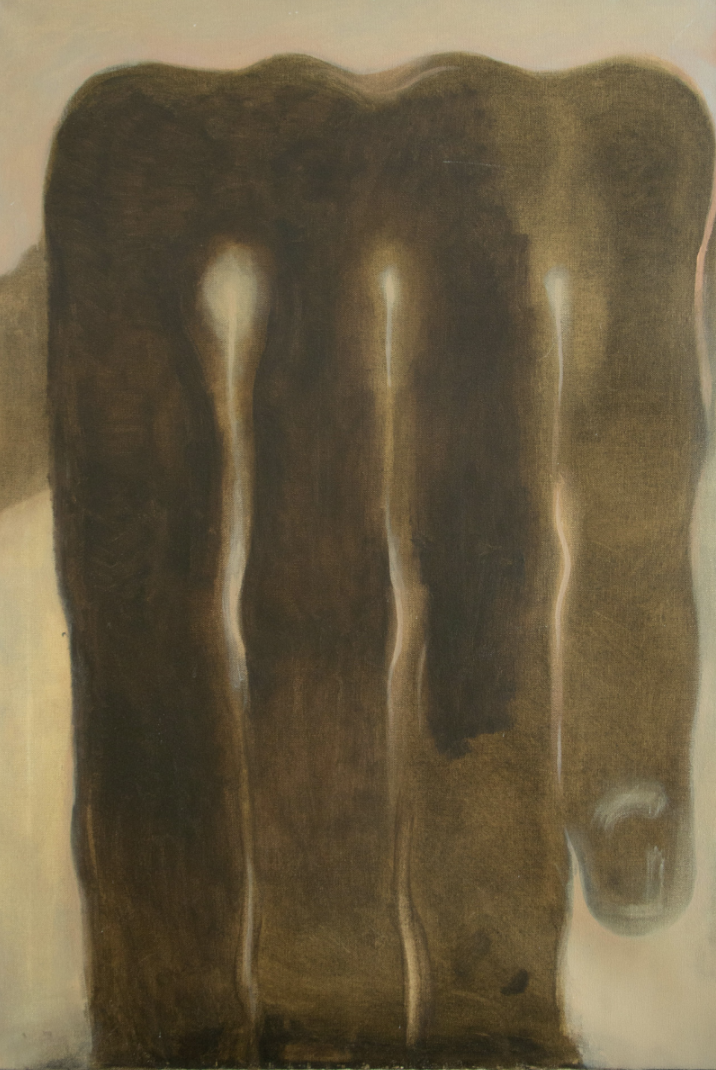
Adem Gjonbalaj - "Through Slender" (2025), oil paint on canvas, 36 x 24 inches
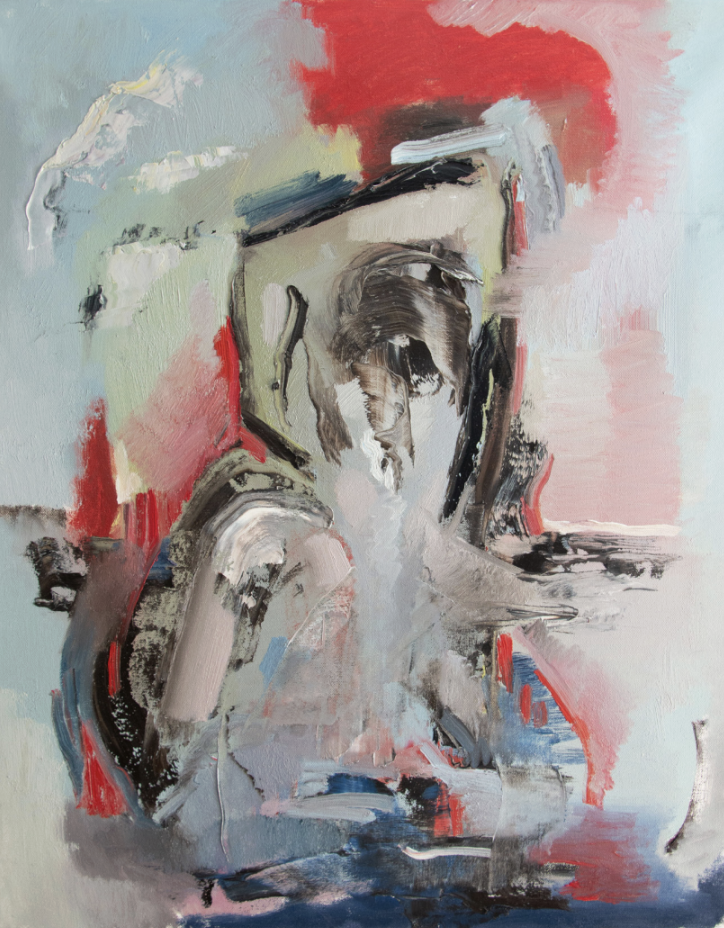
Adem Gjonbalaj - "Black Fin" (2025), oil on canvas, 30 x 24 inches
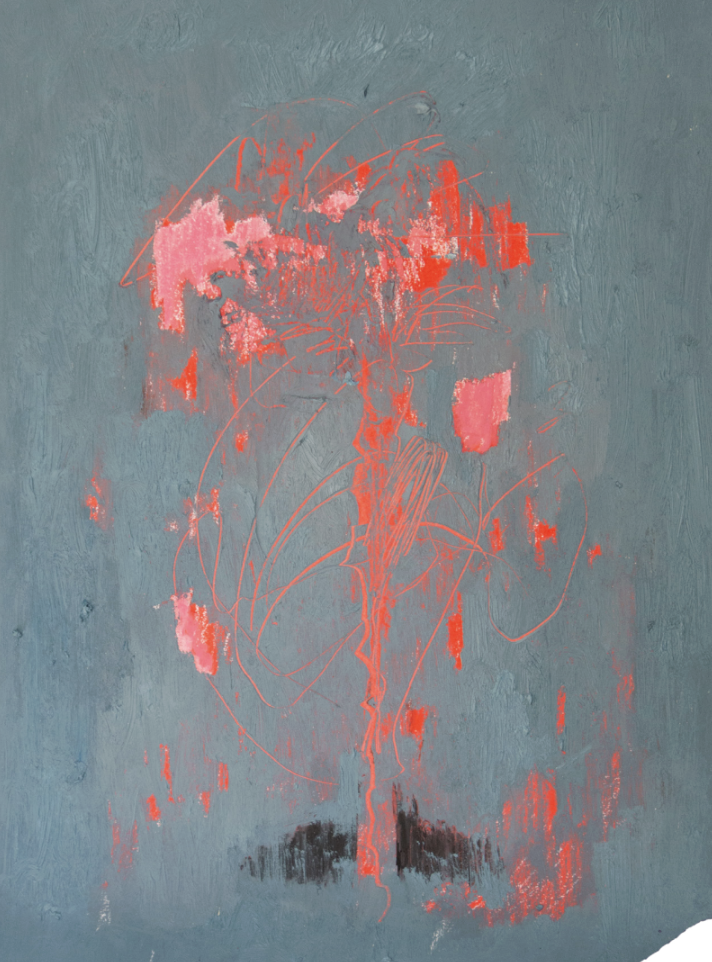
Adem Gjonbalaj - "Bouquet" (2025), oil paint and pastel on paper, 24 x 18 inches.
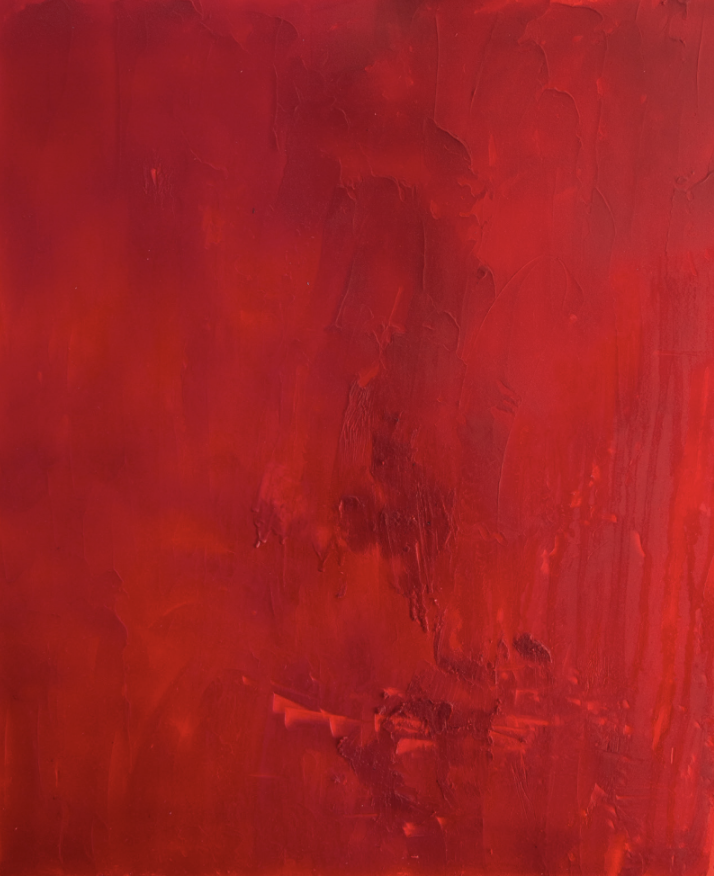
Adem Gjonbalaj - "Polarizer" (2025), oil on canvas, 36 x 29.5 inches
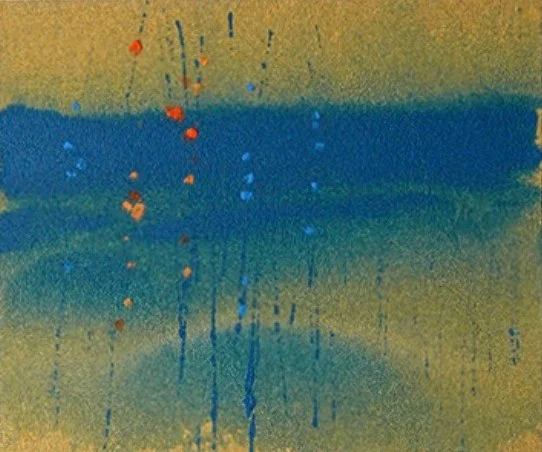
Young M. Kim - "Brash," 9 x 11 inch image on 24 x 30 inch canvas.
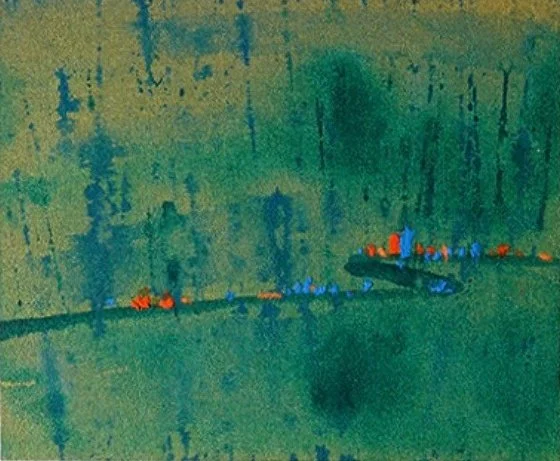
Young M. Kim - "Monsoon," 9 x 11 inch image on 24 x 30 inch canvas.
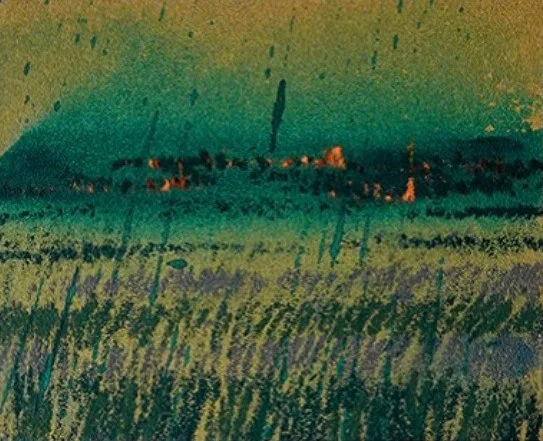
Young M. Kim - "Hometown, Song-ak," 9 x 11 inch image on 24 x 30 inch canvas.
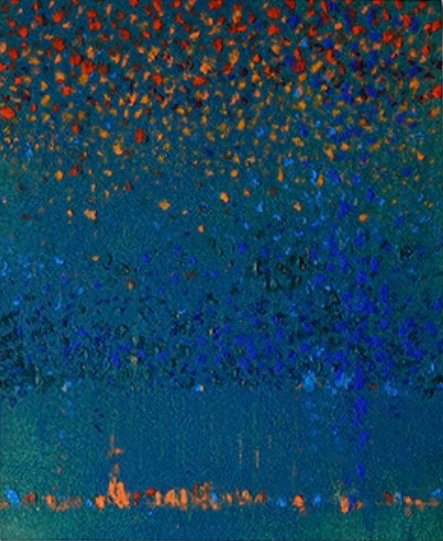
Young M. Kim - "Harbor Night Sky," 9 x 11 inch image on 24 x 30 inch canvas.