
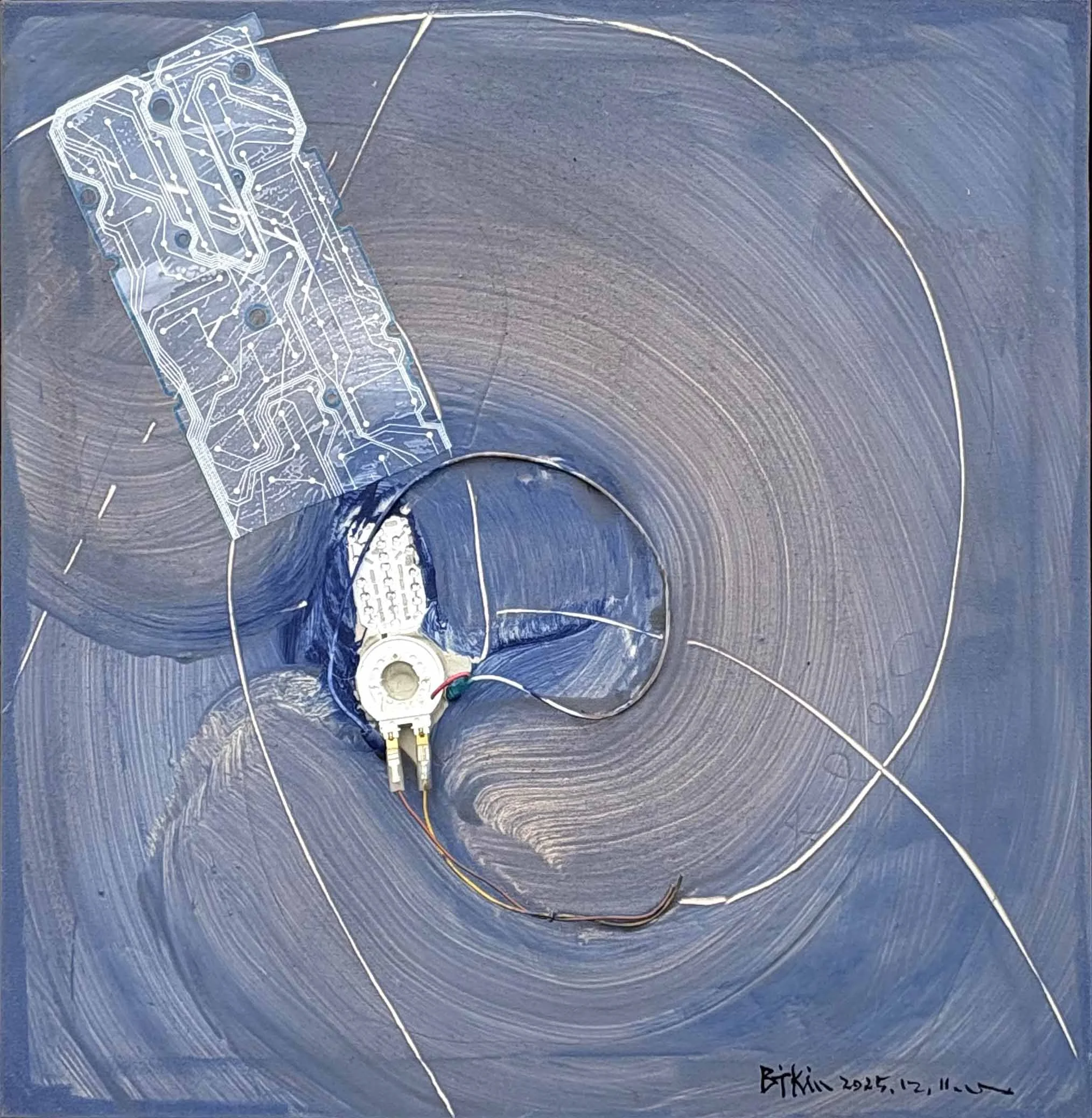
Solo Exhibition
Bong Jung Kim: Between Pulse and Horizon
April 10 – 28, 2026
Opening Reception: April 18 (5 to 7 pm)
Riverside Gallery presents a solo exhibition, Between Pulse and Horizon, featuring assemblages and sculptural paintings of Bong Jung Kim. The exhibitions run from April 10 to 28, 2026 with an opening reception on April 18 from 5 to 7 pm.
Kim’s recent body of work juxtaposes traditional painting with found objects in the fashion of a techno abstract expressionism with mechanical, electronic, and organically painted parts. Contrary to his contemporaries such as Leonardo Ulian who pioneers techno assemblages of objects arranged in a symbolic and mystical array, Kim incorporates the legacies of abstract expressionism into the painting/assemblage onto which found and broken, discarded objects attach. These bits and pieces play a significant role in the composition and the reading of the overall abstraction. These parts, which often leave behind a trail of wires and/or other marks, interweave with the rest of the painting, creating an illusion of narrative regarding the process of creation. The illusion or the fiction is that the painting was made through the mark making with the found objects, as if the artist were including the brush with the painting in his presentation and idea. The objects become the central players which move and bend the space and colors around them, saturating and desaturating certain colors while compressing or deflating other nearby spaces, by the nature of their maneuver, trajectory, and personality. This fictional nature of this presentation regarding the works’ creation are no more fictional or made up than the choice of colors and the marks that a painter uses to render a portrait or a landscape. It is as if a portrait or the psyche of an abstract significance or concept occupies, as a signifier, the place of a literal portrait or a figure of a physical person. Because humans are a symbolic creature who can visualize and interact with abstract objects and symbolic images, Kim’s approach to painting and assemblage cannot be dismissed as simply made-up state of expression; rather, it is a sincere form of visual experimentation with the conceptual and visual elements. Within Kim’s art, the conceptual involves the presentation of how the work is seen and experienced, and the fictional narrative of how the work was made, and this overlaps with the visual elements or, rather, the visual experience of the abstraction and assembly involving found objects. The found objects respond to the abstraction in the work, and the abstraction complements the material qualities and meaning of those same objects, in a feedback loop of meaning, materiality, and visual experience.
About Bong Jung Kim:
Bong Jung Kim received their BFA from the Seoul National University in 1990 and moved to the United States in the same year to pursue a career as an artist. Kim had solo exhibition at the President’s Gallery of the John Jay College of Criminal Justice at CUNY in 2016 and participated in the “Shades of Time” exhibition in Gallery Korea (Korean Culture Center) in New York and the Queens Museum of Art in 2014.
Critic’s Review:
Between Pulse and Horizon: The Work of Bong Jung Kim
By: Iris Inhee Moon
In Between Pulse and Horizon, Bong Jung Kim presents a body of work that moves fluidly between material density and atmospheric openness. Across mixed-media canvases and large-scale works on paper, embedded circuitry, salvaged wires, and industrial fragments coexist with sweeping gestures of pigment that evoke wind, sky, and tide.
What emerges is not merely a shift in subject, but a recalibration of scale—an exploration of how energy circulates within matter and expands into the environment. Kim’s materials carry history. Computer boards and mechanical fragments, once designed to transmit literal current, are absorbed into layered fields of acrylic.
While their original function has ceased, their presence remains operative; they no longer operate as machines, but as topographical anchors that redirect the viewer’s eye, interrupting and guiding movement across the surface. In this space, technology becomes tactile, and rigid structure dissolves into gesture.
Across many canvases, silhouetted forms rise from beneath veils of pigment. Swelling contours and vertical structures suggest an anatomical presence without resolving into literal representation. The body appears not as a spectacle, but as a diffused, embedded architecture—partially obscured and deeply felt.
There is a restrained sensuality here; intensity is not loudly announced, but steadily sustained, allowing viewers to find their own resonance within the forms. In Kim’s vocabulary, “pulse” is not a theatrical vibration but a measured vitality. It lives in the rhythm of the artist’s hand: the blue arc spiraling across the canvas, the grey sweep bending like wind, and the mechanical fragment that alters the flow. Even where red flares against darker grounds, the energy feels contained.
The surfaces absorb heat; the paintings breathe. This pulse finds its counterpart in the “horizon” In his expansive works, sky and water open into luminous bands where a small wooden boat rests within the vastness—neither anchored nor adrift. Motion is implied even in suspension, and the horizon becomes a crucial point of orientation. These elemental works do not depart from the circuitry paintings; they extend them.
The horizon is where movement finds direction—a necessary boundary that prevents energy from dissipating. Without the horizon, the pulse would scatter; without the pulse, the horizon would remain inert. Between them, a delicate modulation occurs. Kim’s process reflects this balance, where pigment is pushed and rotated in arcs that echo natural currents, creating a productive tension between resistance and release.
What appears quiet is never passive; it is disciplined energy, shaped rather than suppressed. In a culture of acceleration and digital stimulus, Kim’s work invites sustained contemplation. Industrial remnants—the artifacts of rapid obsolescence—are transformed into enduring forms. Matte fields slow the eye, allowing details to emerge gradually. These paintings do not exhaust themselves at first glance; instead, they deepen with time.
Between Pulse and Horizon offers a space where the mechanical and the elemental finally converge, inviting us to attune to the quiet, enduring rhythm of a world in constant flow Iris Inhee Moon, MACMHC, is the Founder and Director of CURA: Curatorial and Therapeutic Arts Initiative, and Supervisor at the Carter Burden Network Case Management Unit for Elderly and Disabled.
Press:
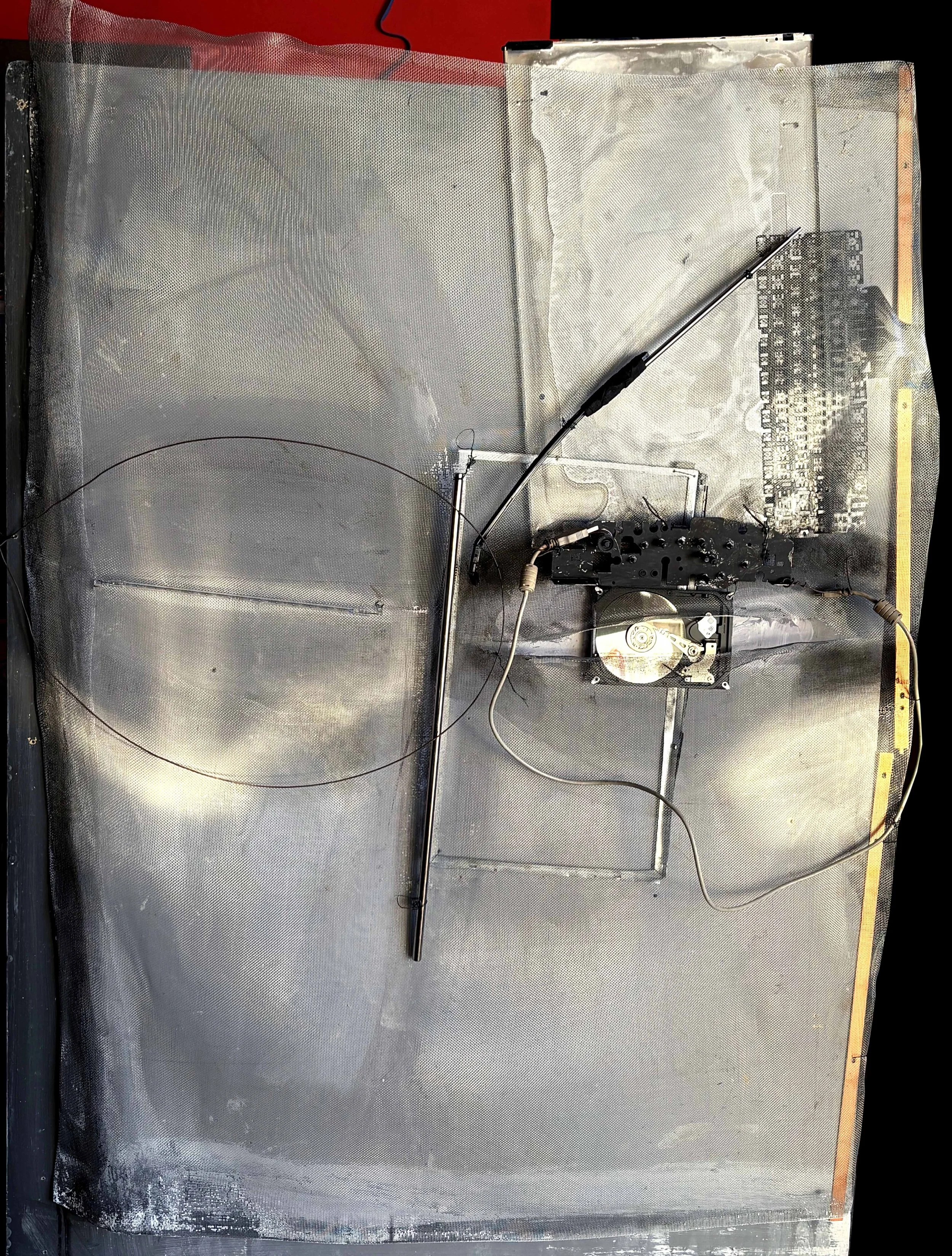
Ai Face 1b (52x38) Mixed Media on Wood Board year 2026

Convalescence 384 (24x24) Water Color on paper year2023
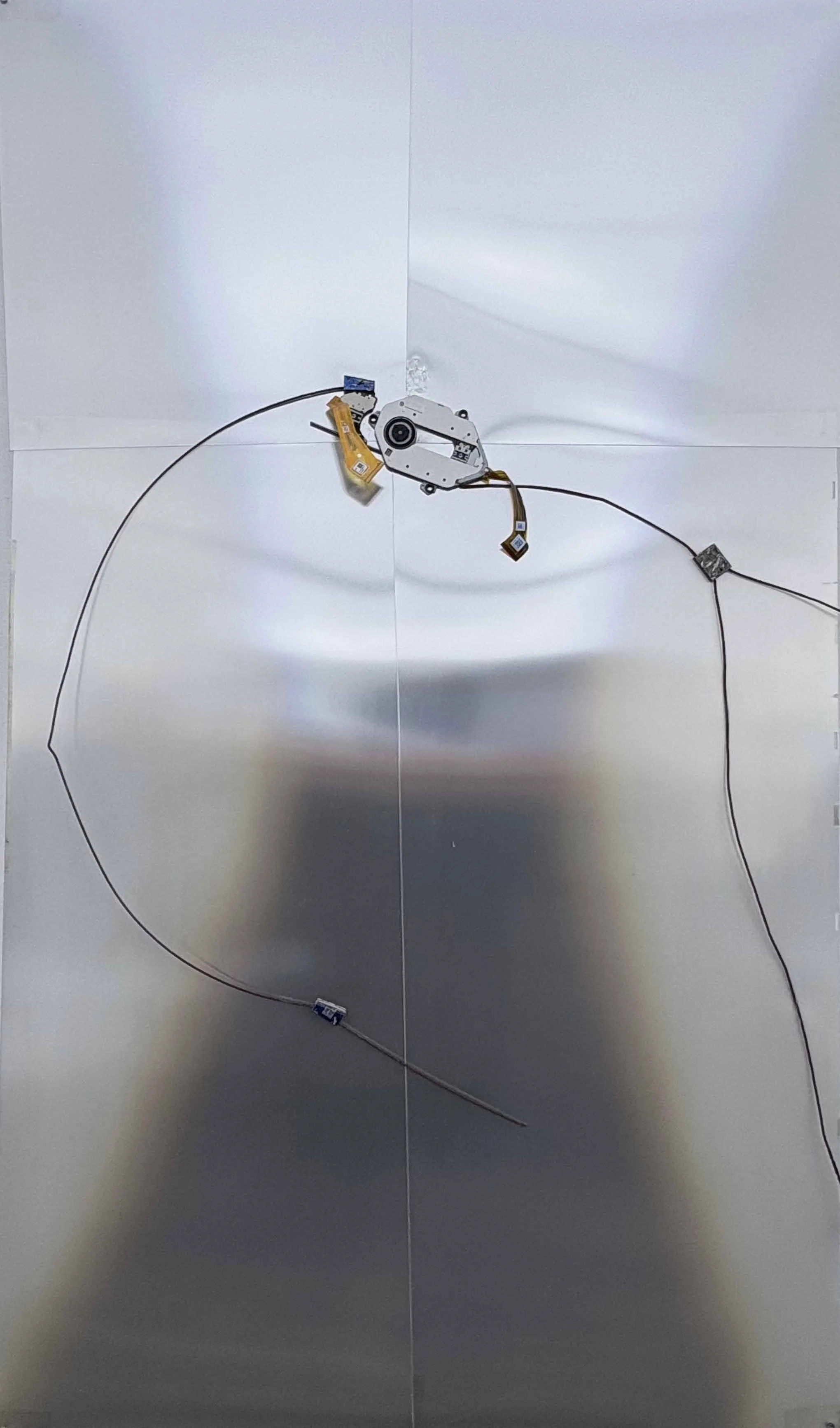
Cross (54x31) Mixed Media on Canvas year 2025
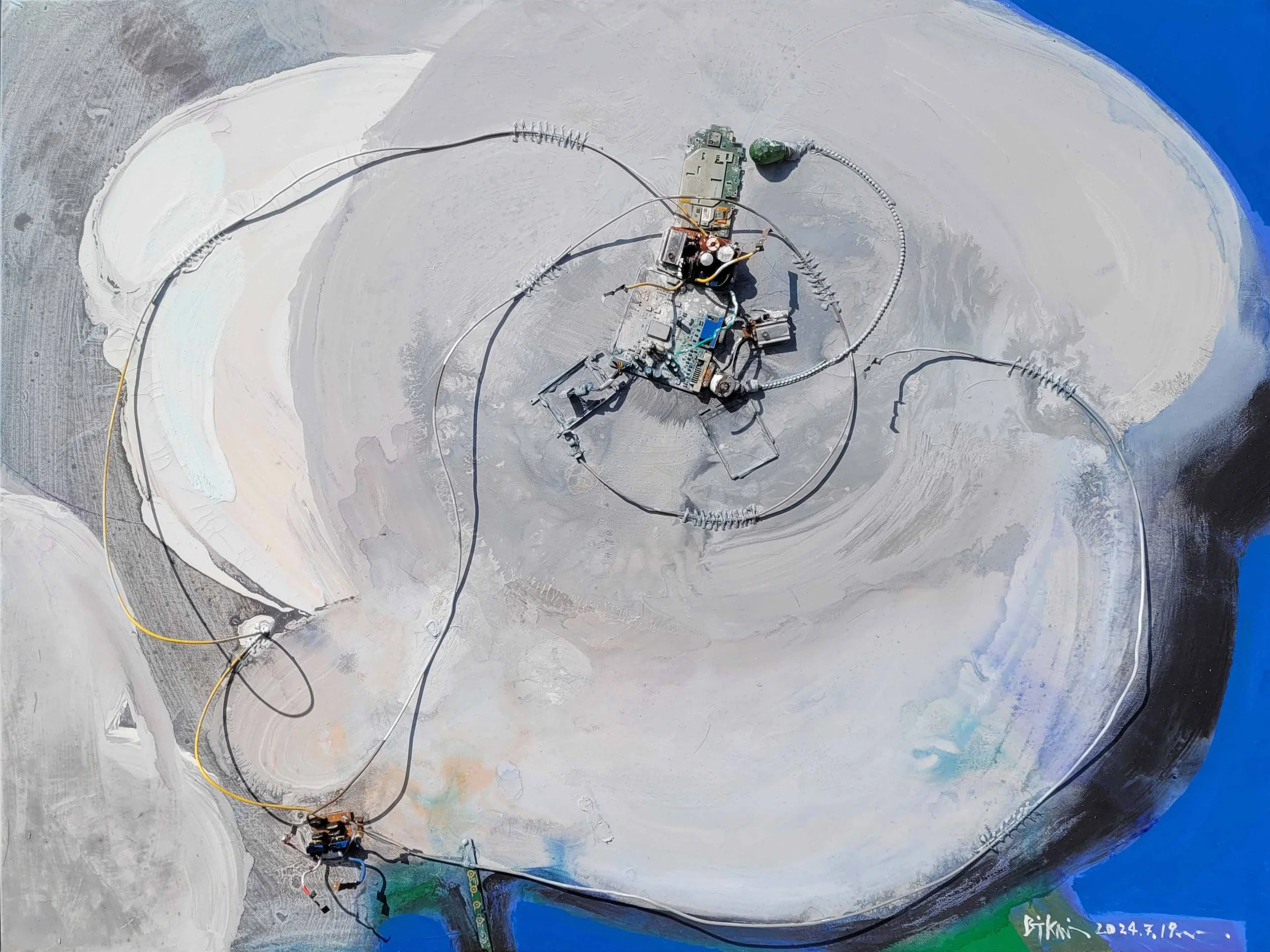
Harmony3 (40 x 30) Mixed Media on Canvas year 2024
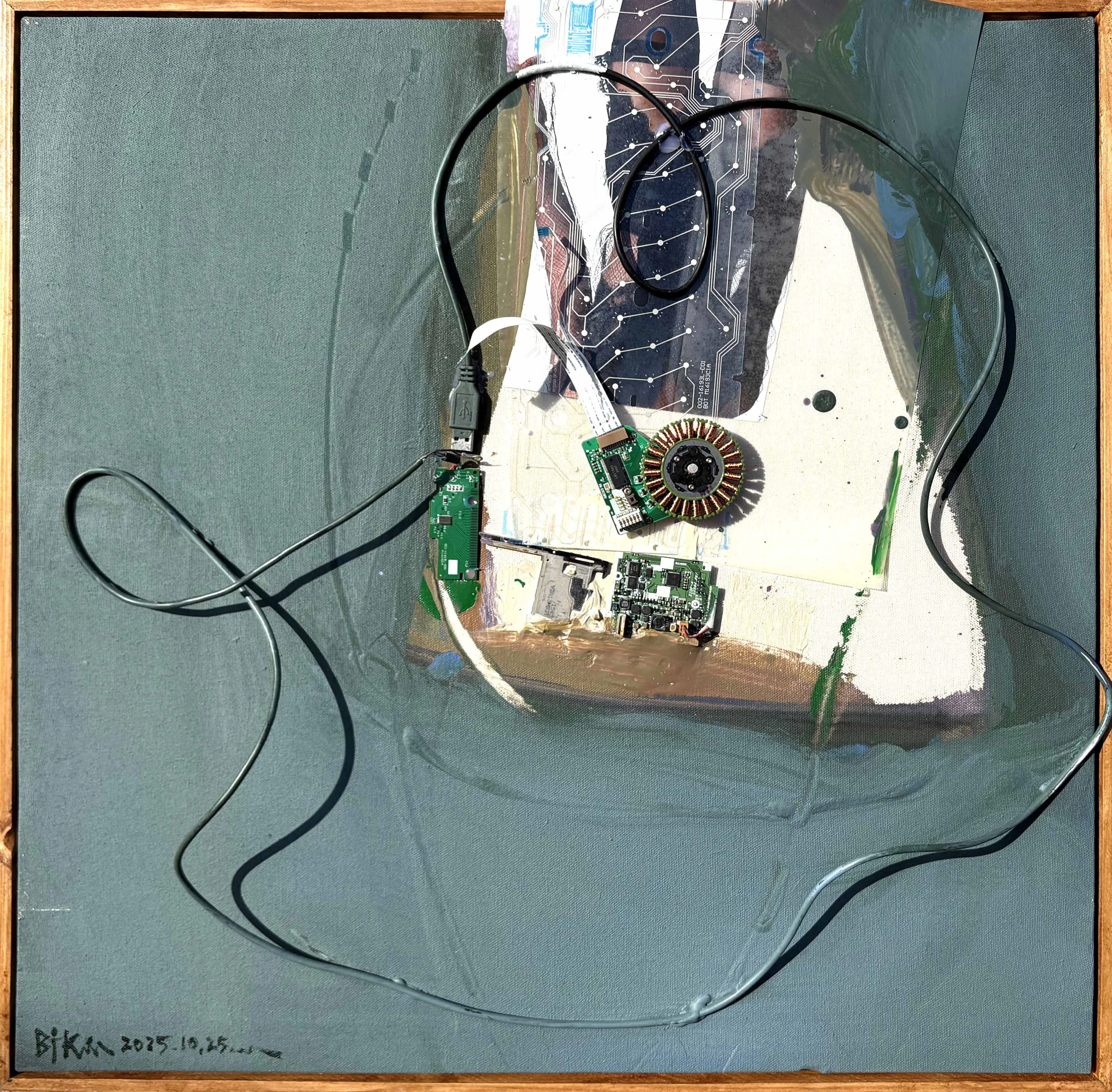
Harmony199 (24 x 24) Mixed Media on Canvas year 2025
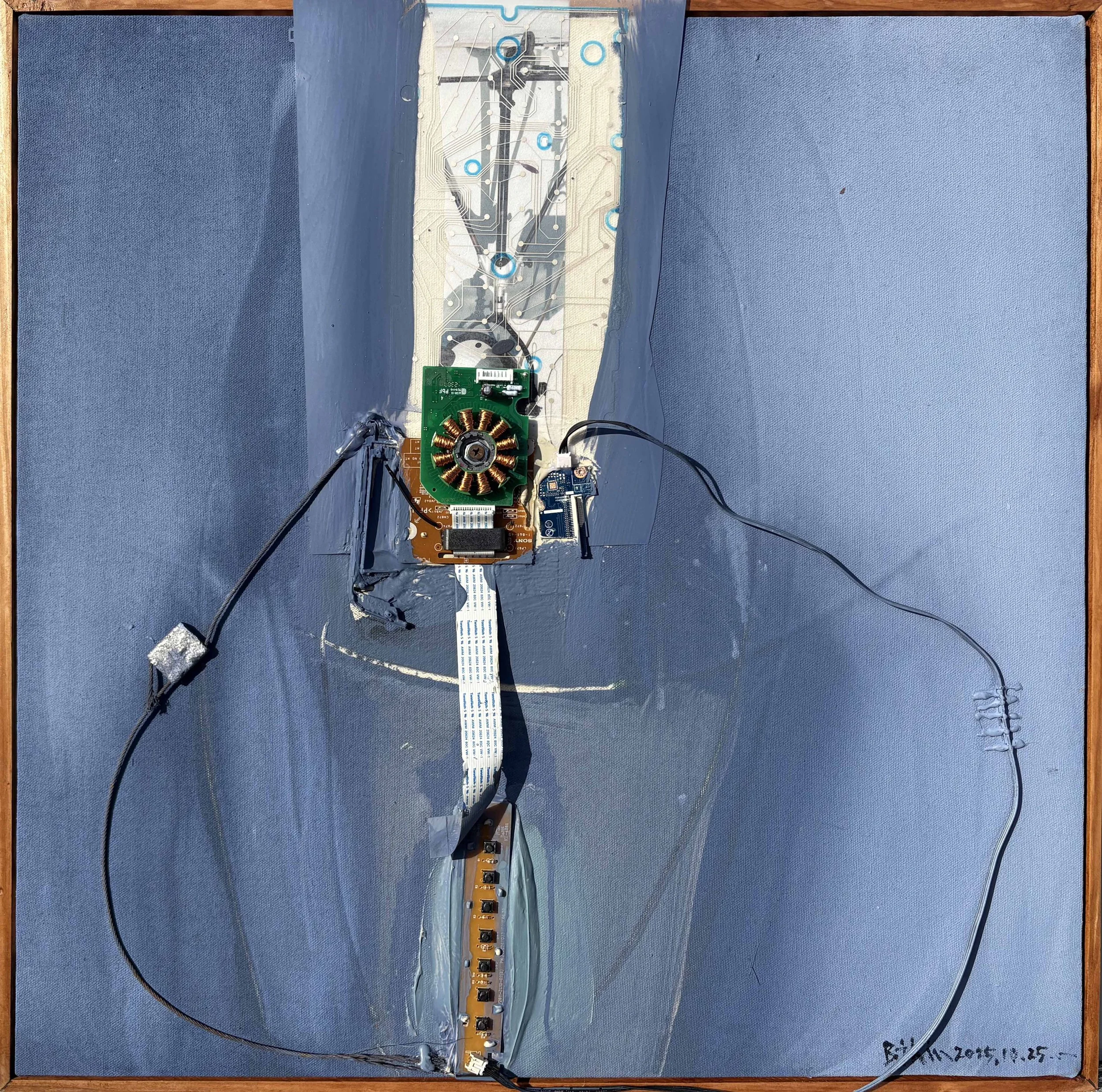
Harmony200 (24 x 24 )Mixed Media on Canvas year 2025
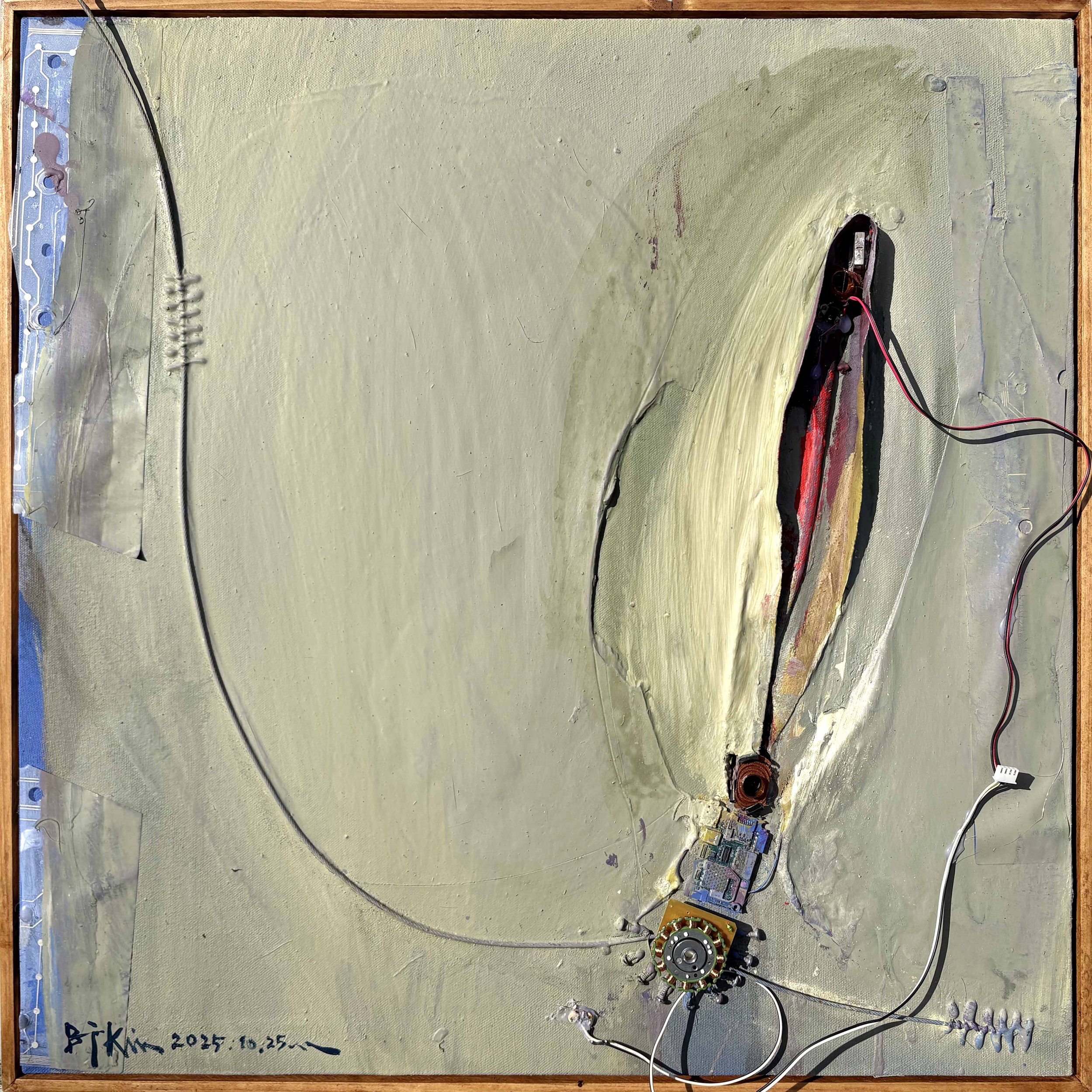
Harmony201 (24 x 24) Mixed Mediaon Canvas year 2025
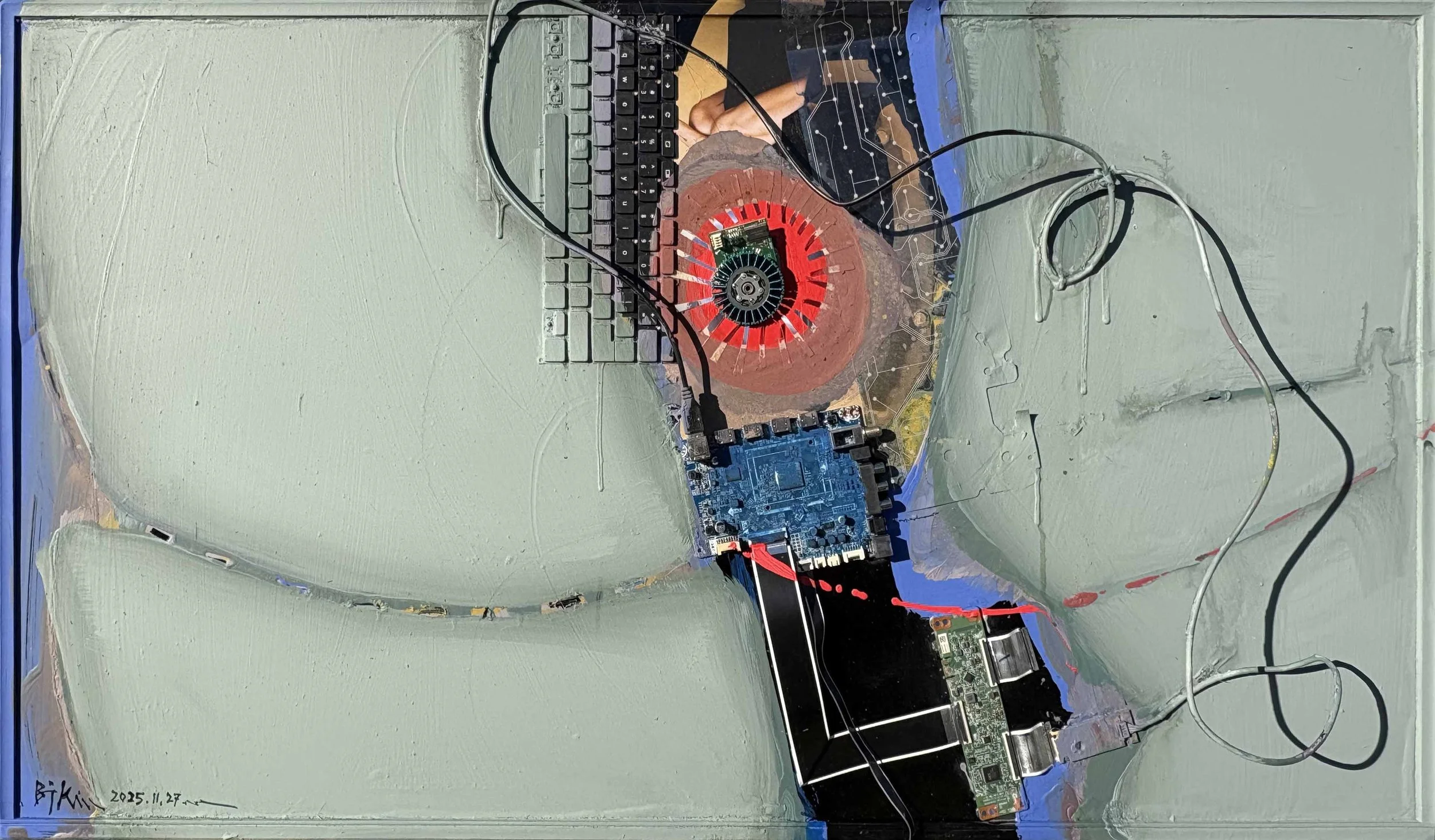
Harmony203 (26 x 44) Mixed Media on Paper year 2025
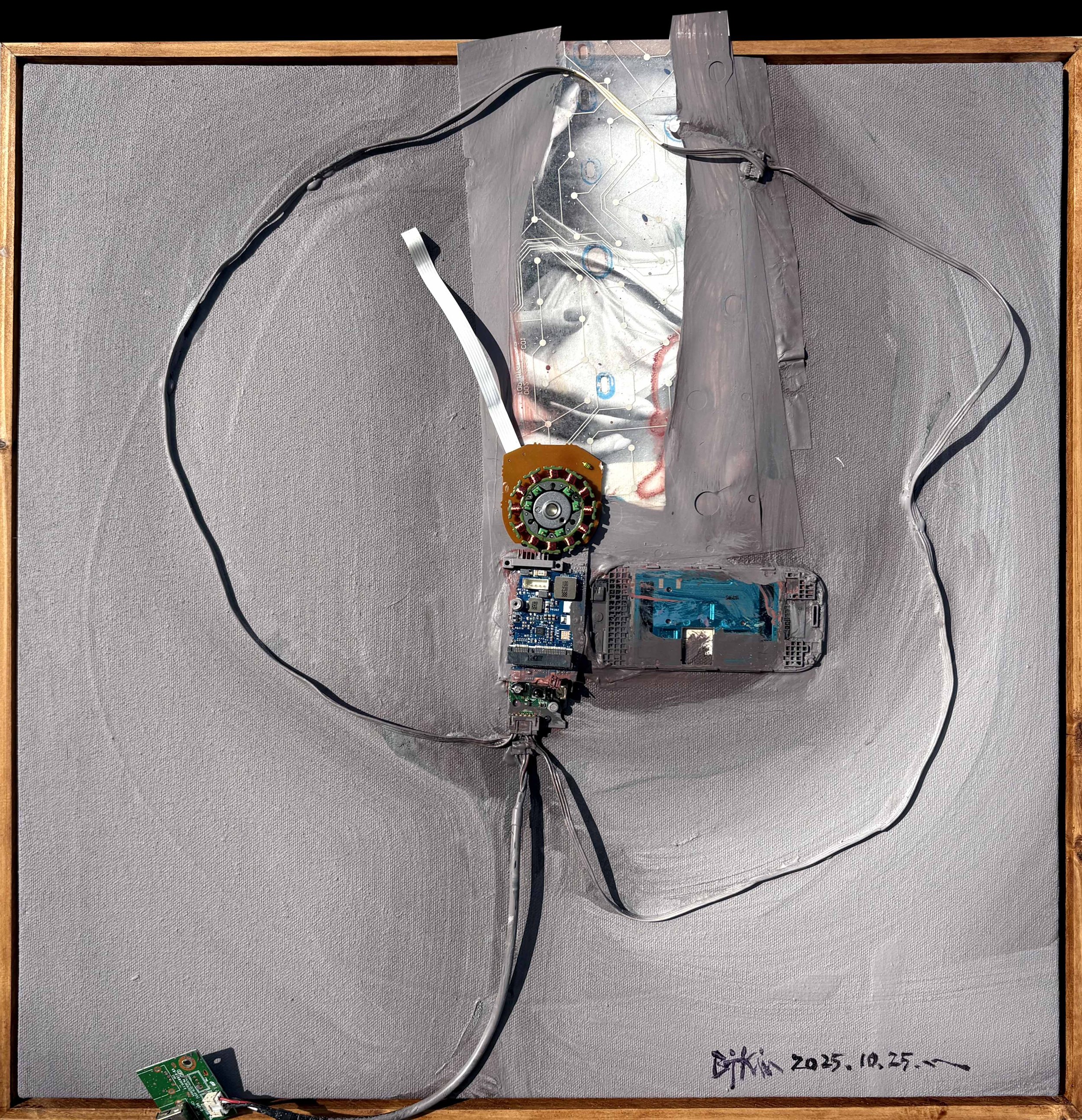
Harmony 207 (20 x 20) Mixed Media on Paper year 2025
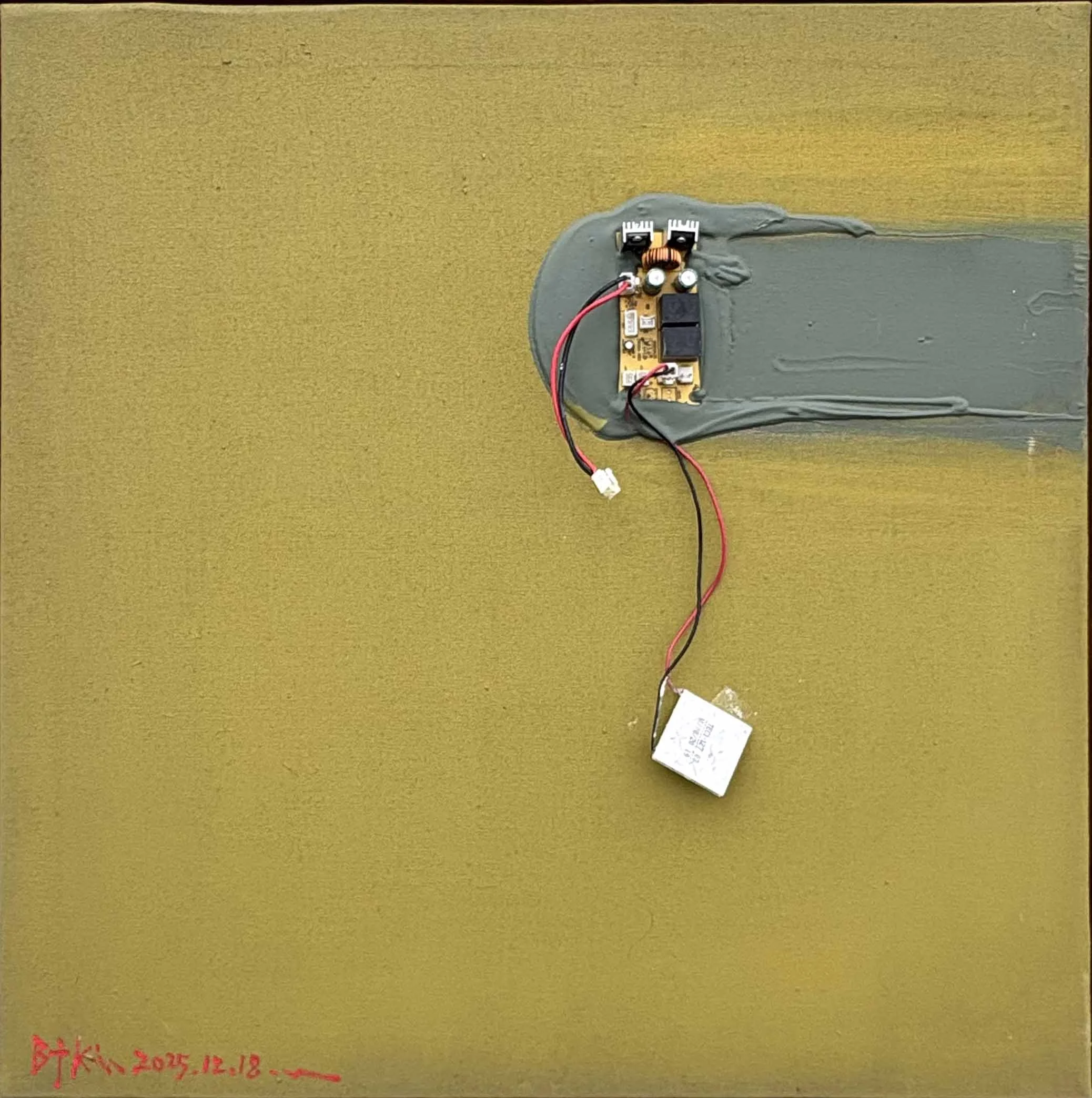
Harmony211 (24 x 24) Mixed Media on Canvas year 2025
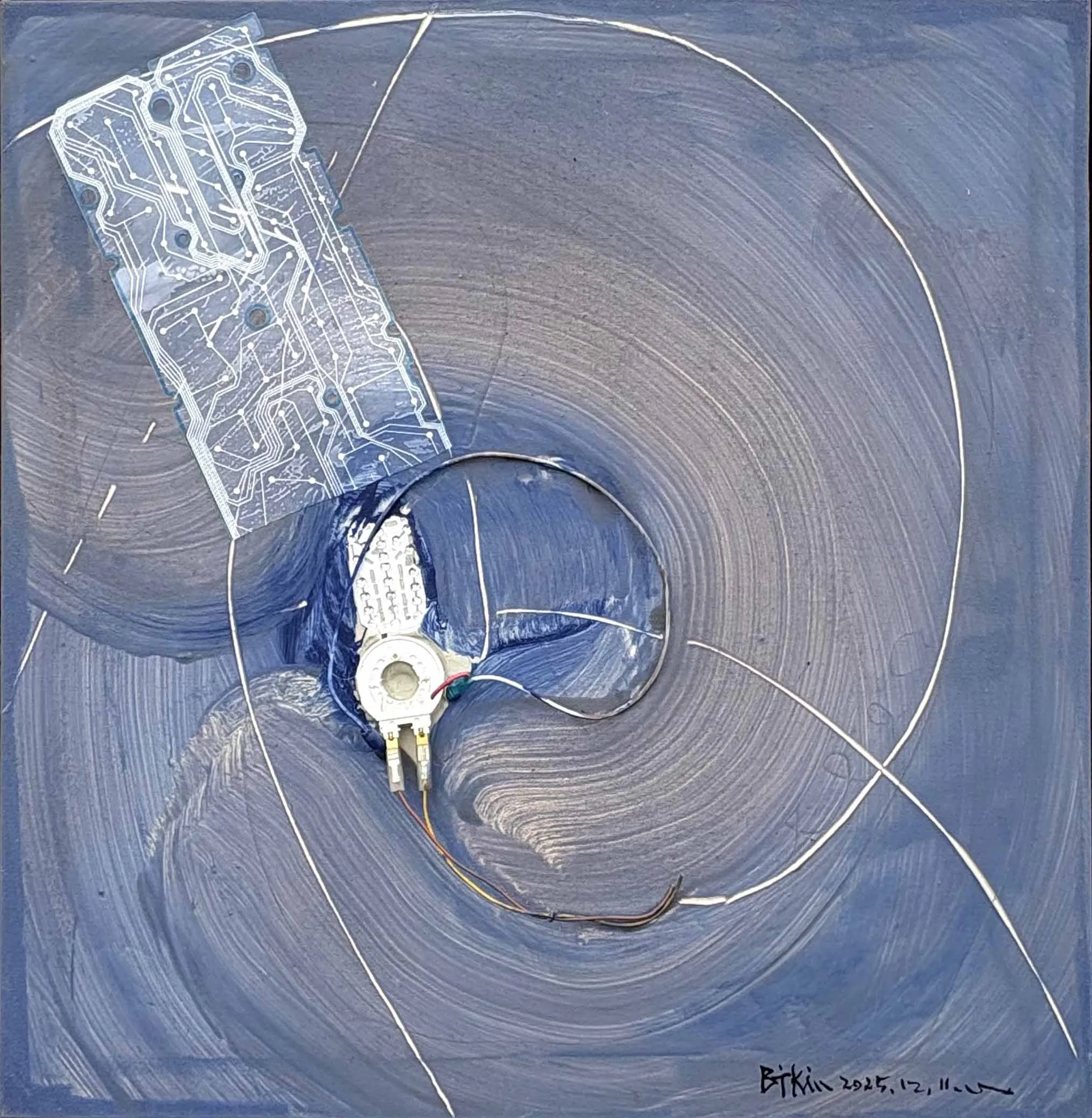
Harmony215 (24 x 24) Mixed Media on Canvas year 2025
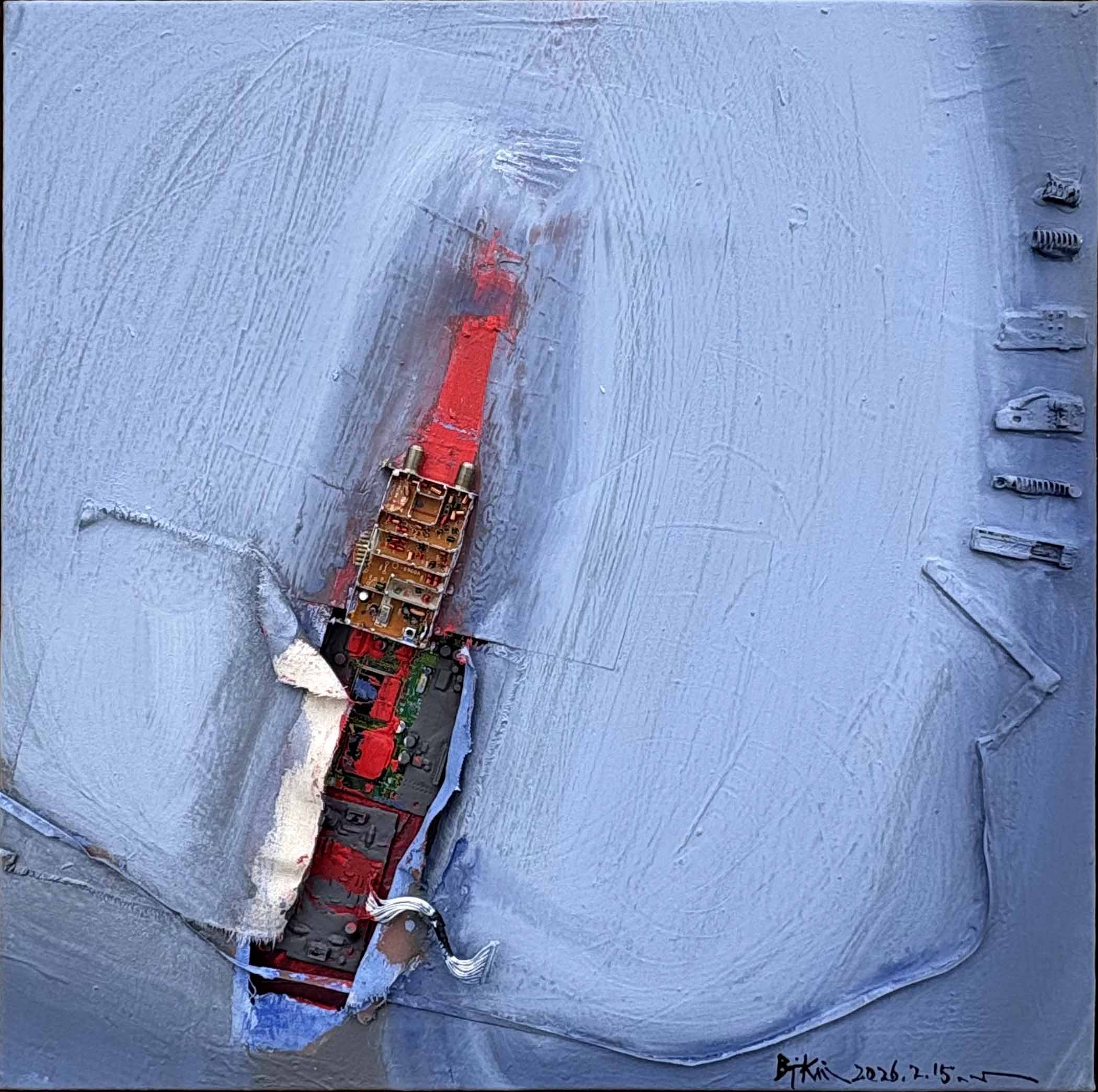
Harmony 216 (24 x 24) Mixed Media on Canvas year 2025
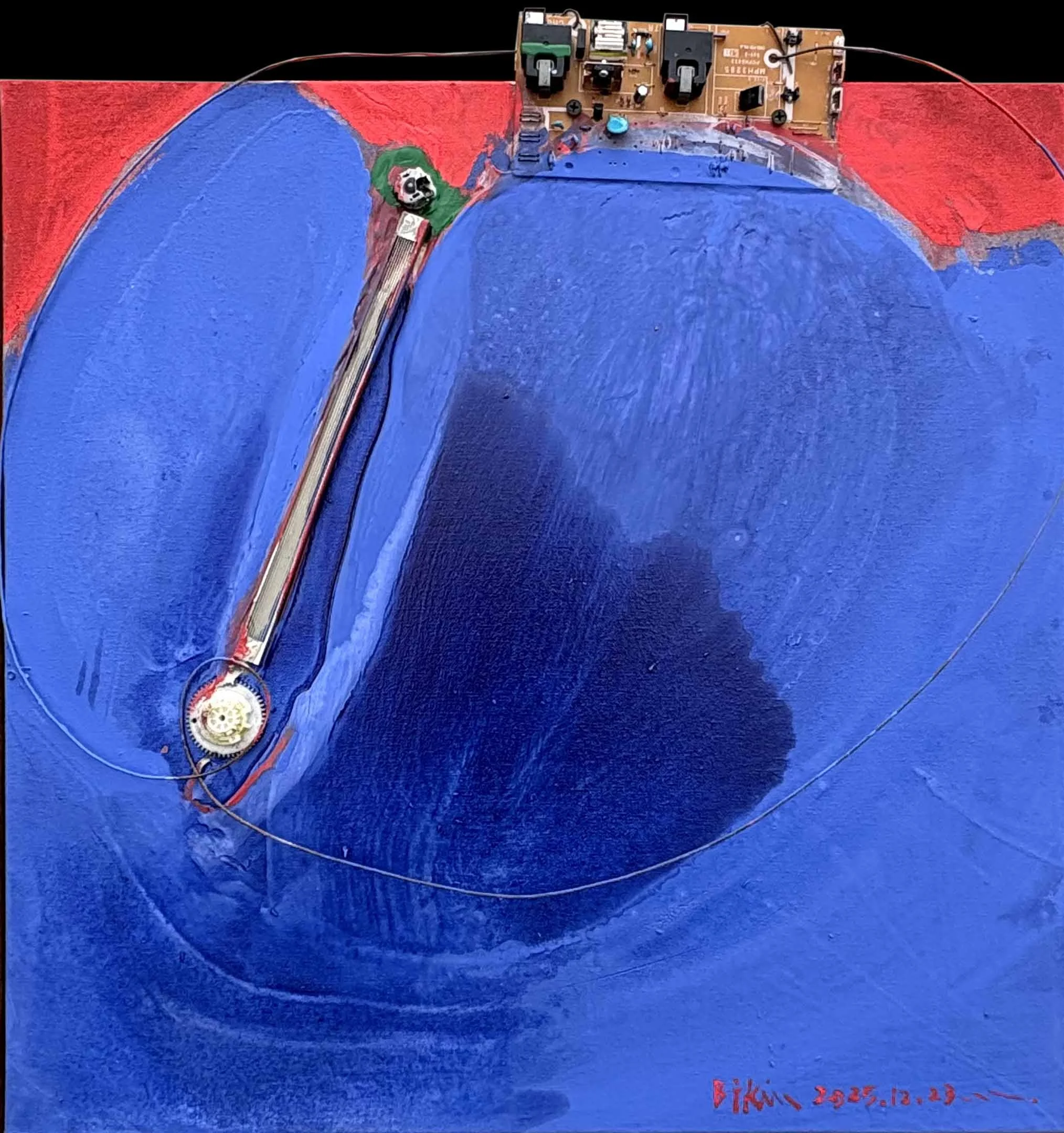
Harmony 217 (24 x24) Mixed Media on Canvas year 2025
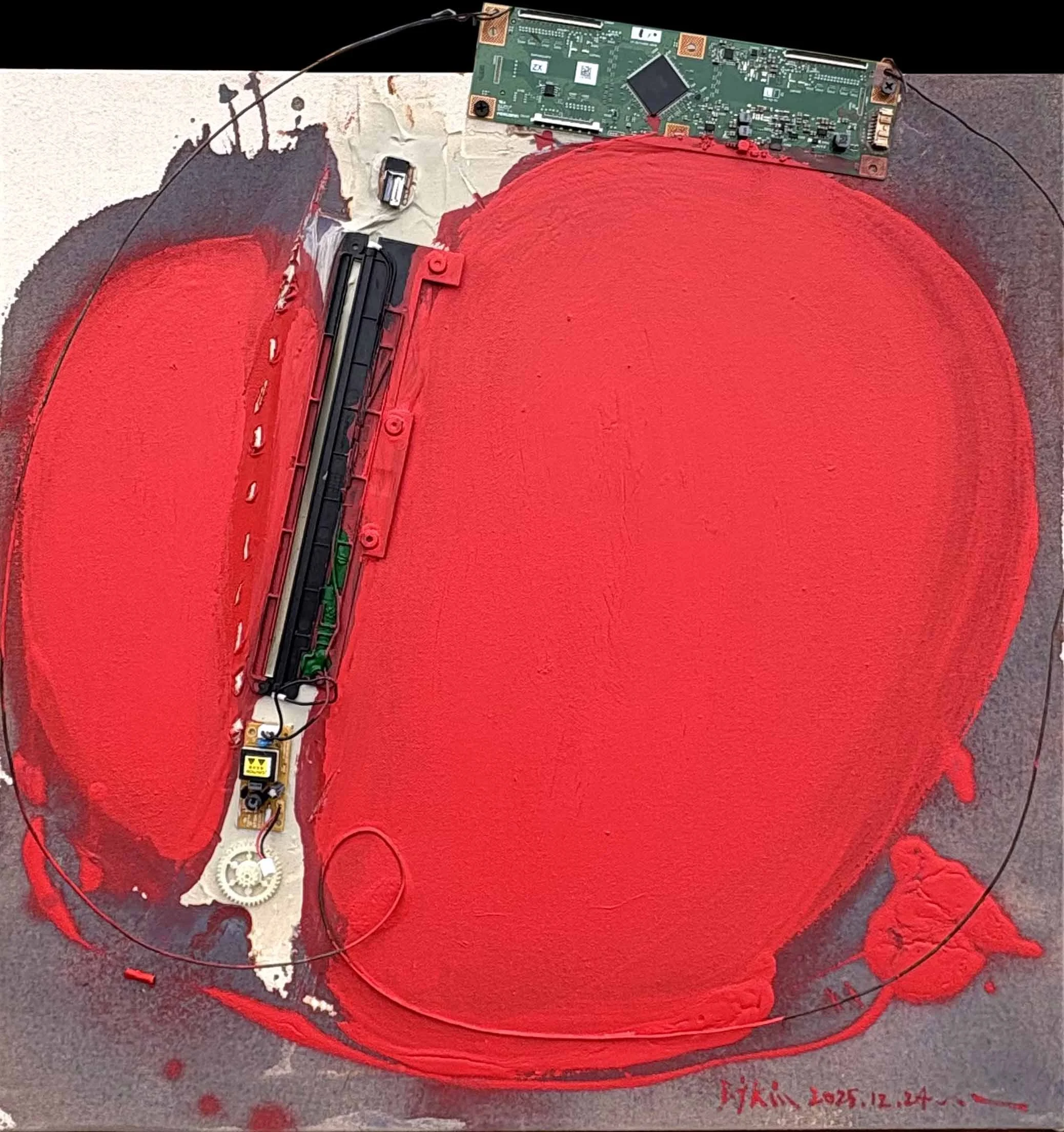
Harmony 218 (24 x24) Mixed Media on Canvas year 2025
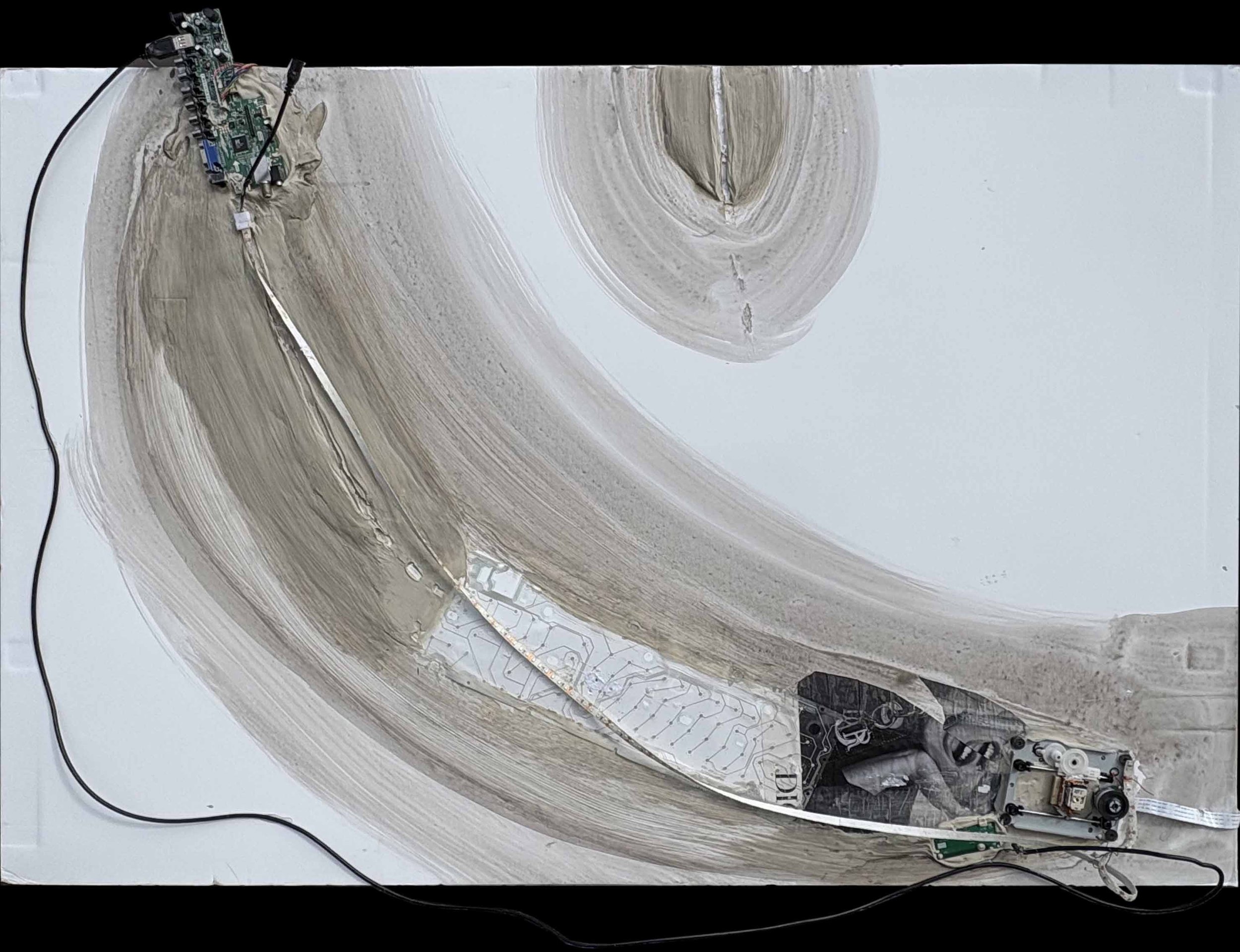
Harmony 231 (48 x 34) Mixed Media on Paper year 2025
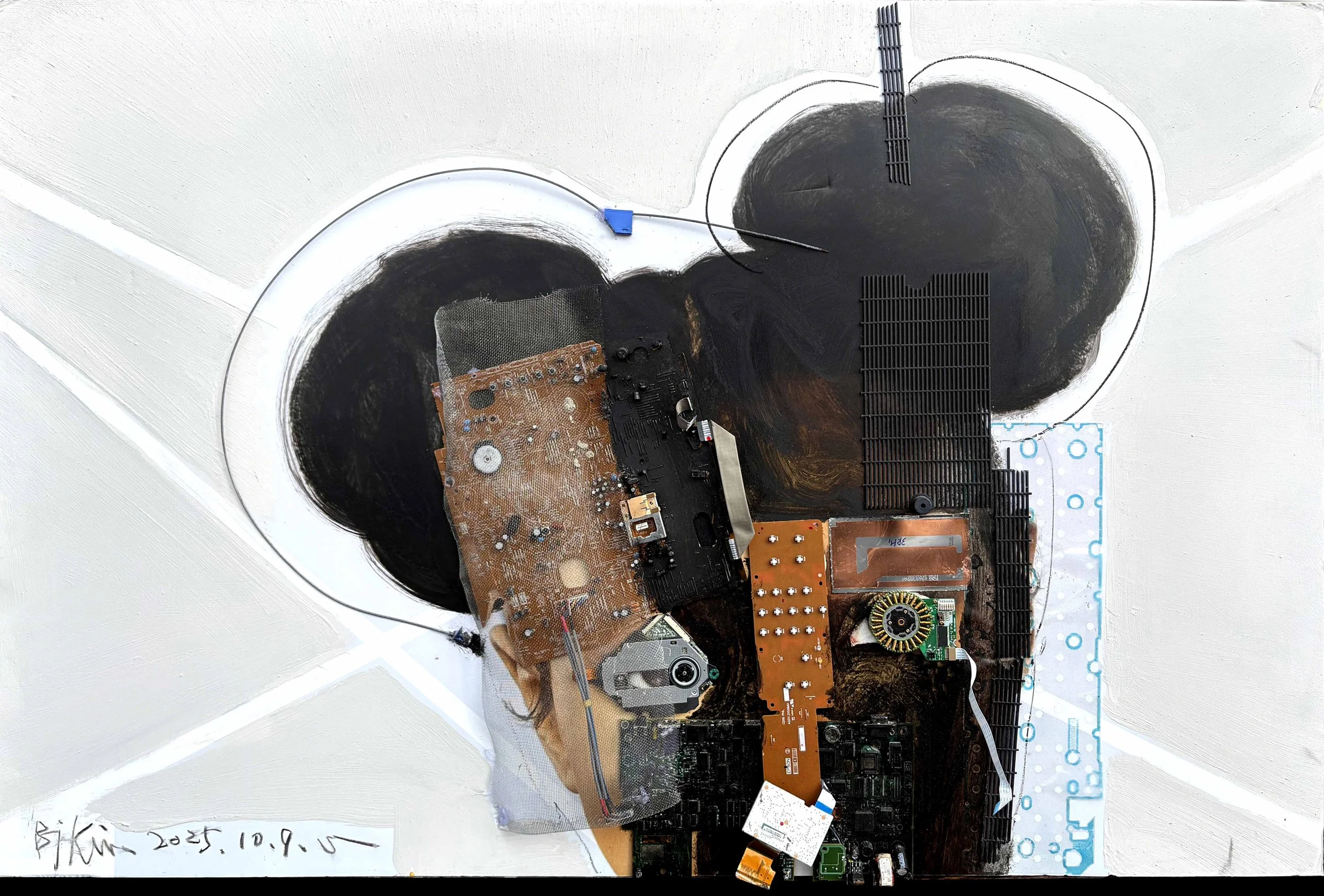
Mickey Mouse Ai (32 x 48) Mixed Media on Paper year 2025
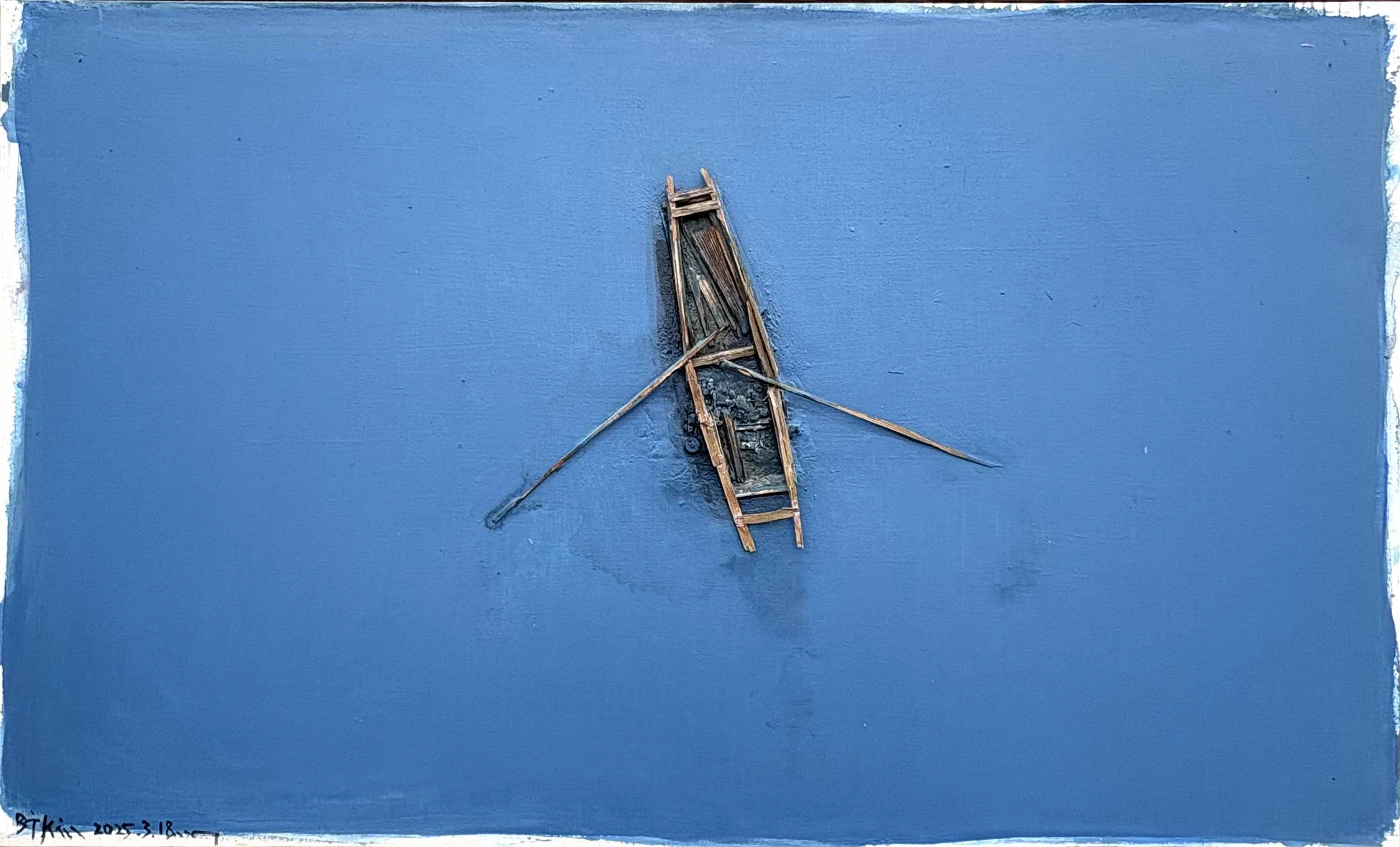
Peter's Boat 114 (34 x 57) Mixed Media on Canvas year 2025
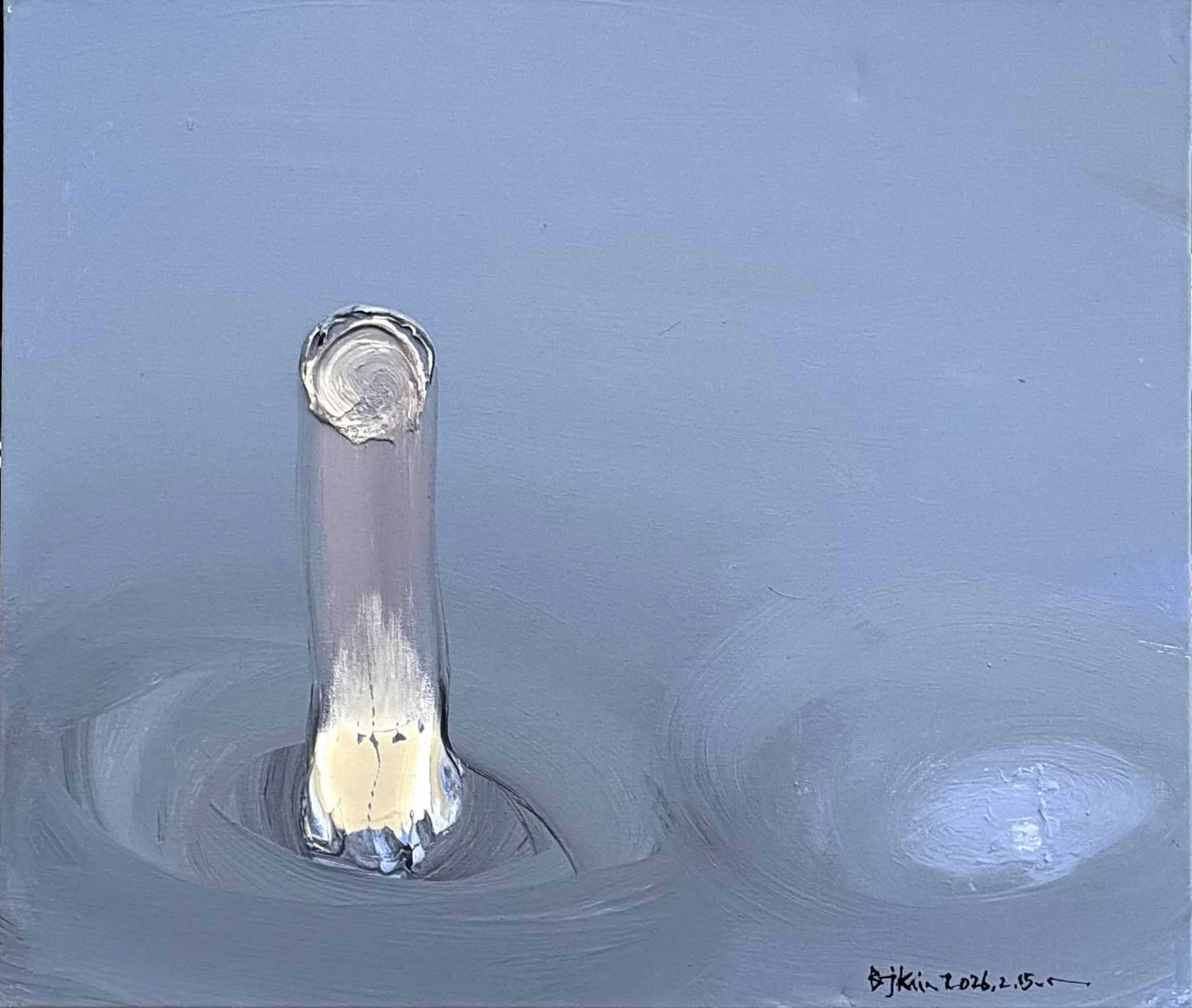
Untitled (16 x 20) Mixed Media on Canvas 2026